A Guide to Three Self‑Care Essentials for Stress and Anxiety Relief

Stress and occasional anxiety are experiences many of us face from hectic workdays to personal challenges and emotional overload.
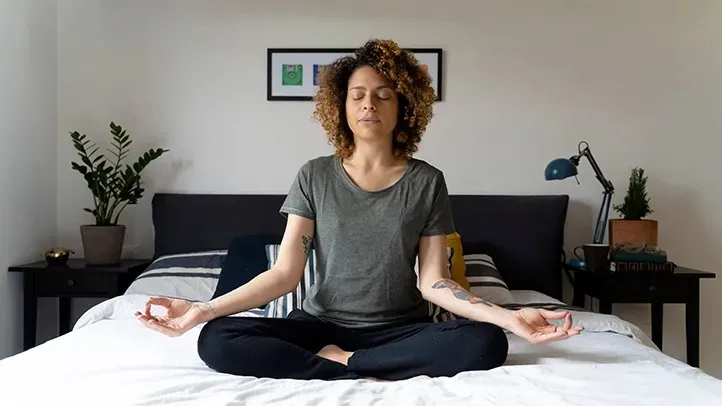
Stress and occasional anxiety are experiences many of us face from hectic workdays to personal challenges and emotional overload. While major life stressors deserve professional attention, small tools and practices can make a meaningful difference in how we cope day‑to‑day. Whether you’re managing nervous energy, processing feelings, or simply seeking moments of calm, the right combination of guidance, introspection, and physical tools can help you take control of your emotional well‑being.
In this guide, we explore three practical and intentional tools from Cloud Nine designed to support mental wellness: a structured anxiety workbook, a set of guided journal prompts, and a tactile stress ball. Each encourages reflection, reduction of stress responses, and cultivated mindfulness, all key components of self‑care.
1.Structured Support for Mindful Growth
An anxiety workbook provides structured guidance for understanding and managing stress and anxiety. Rather than merely suggesting you “feel better,” a workbook gives you targeted exercises, coping strategies, and reflection prompts that help you actively engage with your emotions.
Workbooks that address anxiety often include cognitive‑behavioral techniques, stress‑identification worksheets, and exercises designed to change thought patterns and responses. These materials help externalize thoughts that might otherwise remain tangled inside your head.

Structured Exercises to Calm Your Mind and Reduce Stress | The Anxiety Workbook
How a Workbook Helps
A workbook can help you:
- Identify triggers: Writing about what causes anxiety helps you recognize patterns and situations that escalate your stress.
- Process emotions: Structured exercises encourage you to articulate feelings you might otherwise suppress.
- Set intentions: Workbooks often include goal‑setting and action plans to help you take proactive steps instead of reacting automatically.
- Reframe thoughts: Many guided exercises help you challenge and reframe negative thinking habits, fostering a more positive mental posture.
This kind of intentional journaling and reflection isn’t just writing, it’s therapeutic work. Guided prompts help you break large, overwhelming emotions into manageable parts, making the complexity of anxiety easier to navigate.
Pro tip: Pair workbook exercises with timed sessions weekly; this can help you stay consistent and track progress over time.
2.Daily Reflection for Emotional Clarity
Journaling is one of the most accessible and effective self‑care practices available, and having a set of 30 Journal Prompts makes it even easier.
Research and mental health experts highlight the benefits of journaling because it allows you to process thoughts, shift perspective, and release emotional tension. Guided prompts, especially ones designed for stress and anxiety, help you explore inner experiences with deeper intention.

Daily Writing Prompts to Boost Mindfulness and Self‑Reflection | 30 Journal Prompts
Why Guided Prompts Matter
Journaling spontaneously can feel overwhelming if you don’t know where to start. Prompts provide structure so that your time with your thoughts feels purposeful rather than chaotic. Typical prompts might ask you to reflect on what makes you feel anxious, what you’re grateful for, or what you can control today.
Guided journaling can help you:
- Increase self‑awareness Write about your emotional triggers and reactions; this creates insight into patterns that lead to anxiety.
- Reduce anxiety Putting thoughts into words helps you move stress out of your mind and onto the page.
- Build resilience Structured prompts encourage you to reflect on coping strategies, strengths, and growth areas.
- Stay present Writing about the now can ground you, pulling you out of worry about the future or rumination on past events.
Whether you use one prompt daily for a month or answer several prompts in one sitting, guided journaling fosters a calmer, more mindful approach to your internal world.
3. Squeeze Your Way to Immediate Relief
A Stress Ball may seem simple, but its tactile, sensory approach has significant benefits when it comes to managing stress in the moment. Clinicians and behavioral experts acknowledge that physical and sensory actions, like squeezing a stress ball,can help reduce tension and distract the mind from stressors.

Tactile Tool for Instant Stress Relief and Focus | Stress Ball
How a Stress Ball Helps
Stress balls work by engaging your nervous system through the physical action of squeezing and releasing. This physical feedback can:
- Shift attention: Focusing on the tactile sensation helps redirect worry away from anxious thoughts.
- Promote relaxation: Repetitive squeezing can reduce muscle tightness and calm your nervous system.
- Improve focus: Having something physical to engage with during stress can help sharpen attention and reduce internal chatter.
- Give a sense of control: In moments when anxiety feels overwhelming, a stress ball provides a small, manageable action — a way to do something tangible that produces an immediate effect.
Using a stress ball doesn’t replace deeper therapeutic tools, but as a complement to emotional processing and reflective practices, it can be remarkably effective for quick relief or grounding.
Bringing It All Together: A Self‑Care Routine That Works
Individually, each of these self‑care tools offers unique benefits. But when combined into a routine, they create a robust framework for emotional regulation and daily mental wellness:
Morning Reflection & Intent
Start your day by answering 1–2 journal prompts. This centers your mind, brings awareness to your present emotions, and sets a positive intention for the day.
Midday Workbook Time
Use the Anxiety Workbook as a deeper dive into emotional work, particularly tasks that help you challenge limiting thoughts or unpack stress triggers.
On‑the‑Go Stress Relief
Keep a stress ball beside you, in your bag, car, or desk drawer, and use it whenever tension rises. Several minutes of squeezing can help calm nerves and improve focus during a stressful call, commute, or break.
End‑of‑Day Reflection
Return to your journal or workbook before bed. Reflect on how you managed stress throughout the day and how you feel now. This reinforces emotional learning and helps you see patterns over time.
A Note on Mental Wellbeing and Tools
It’s important to recognize that these tools, the workbook, journal prompts, and stress ball — support daily coping and emotional awareness, but they are not replacements for professional mental health care when anxiety is severe or persistent.Daily self‑care practices, especially ones that promote mindful reflection and sensory grounding, can reduce tension and enhance emotional regulation. But individuals experiencing clinical anxiety should seek guidance from qualified professionals.
In a world where stress and emotional overload are common, finding tools from Cloud Nine that help you navigate your internal landscape can make a real difference. Whether it’s through writing, tactile engagement, or guided worksheets, the combination of reflection and distraction creates a supportive environment for emotional growth.From the structured, reflective exercises of an anxiety workbook to the insight‑building potential of guided journal prompts, and the tactile grounding of a stress ball, each tool contributes to a calmer, more resilient mindset.Empower your emotional well‑being ,one page, one thought, and one squeeze at a time.
Recent Blogs
-
How to Style a Rolex Gold, Diamond, And Sky Dweller Watch
-

Capturing Outdoor Adventures: A Guide to Camp Snap Photos, Filters, and Dedicated Cameras
-

How to Style the Gareth Bale F1 Grand Prix of Great Britain Shirt for a Modern Racing-Inspired Look
-

How to Create a Magical Villain-Inspired Look with the Descendants Wicked Wonderland 2026 Kiara T Romero Leather Vest
-

How to Style the Descendants Wicked Wonderland 2026 Liamani Segura Jacket for a Magical Fashion Look