Fashion in Different Countries: A Look at Global Style Trends

Fashion is more than just clothing; it reflects culture, history, and identity. Every country has its own unique fashion trends, influenced by traditions, climate, and modern innovations.
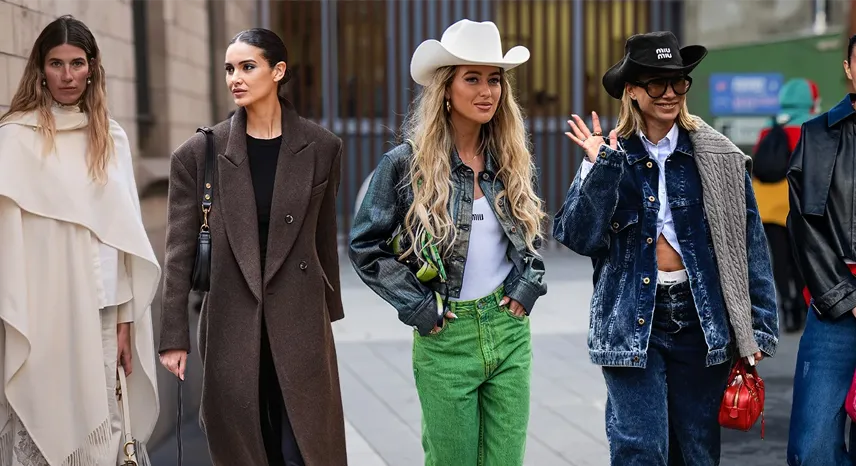
Fashion is more than just clothing; it reflects culture, history, and identity. Every country has its own unique fashion trends, influenced by traditions, climate, and modern innovations. From elegant styles in Europe to vibrant outfits in Africa, fashion highlights the beauty of diversity. Traditional attire is still an essential part of daily life in some countries, while others embrace modern global trends. The mix of old and new creates fascinating fashion statements that keep evolving. Social media and international events also play a role in shaping global styles, making fashion an exciting and ever-changing industry. By exploring fashion from different parts of the world, we can appreciate every design's creativity and cultural significance. Whether it is the colorful fabrics of South America, the minimalist trends of Asia, or the luxurious styles of the Middle East, each country contributes something unique to the world of fashion. In this blog, we will explore fashion trends from different countries, highlighting how traditional and modern styles blend to create unique cultural expressions worldwide.
1. Europe: Elegance and Innovation
Europe is known for its sophisticated and stylish fashion. Many countries in this region are famous for their high-quality clothing and trendsetting designs. European people often prefer classic, well-tailored outfits with a touch of modern creativity.
- Western European countries embrace sleek and professional styles, often seen in business and casual wear.
- In Southern Europe, fashion is colorful and expressive, with lightweight fabrics suited for warmer climates.
- Northern European styles lean towards comfort and functionality, with layering being a popular trend due to the colder weather.
Traditional European Attire
European fashion also holds a deep respect for tradition. In Scotland, the kilt, a knee-length woolen skirt in a tartan pattern, is a strong symbol of heritage. In Eastern Europe, Romanian attire features the ie, a white blouse with delicate embroidery paired with a traditional skirt. Meanwhile, Southern Germany and Austria are known for the dirndl for women and lederhosen for men, both often worn at cultural festivals.
2. Asia: A Blend of Tradition and Modernity
Asia offers a diverse mix of fashion styles, balancing rich traditions with modern influences. Countries in this region take pride in their traditional attire while embracing contemporary designs.
- East Asian fashion is known for its trendy, minimalist, and futuristic styles, often seen in streetwear.
- South Asian fashion features vibrant colors, intricate patterns, and elegant traditional clothing for celebrations and daily wear.
- In Southeast Asia, tropical climates influence the choice of breathable fabrics and relaxed silhouettes.
Traditional Asian Attire
Asia's traditional clothing holds deep cultural meaning. In Japan, the kimono is a graceful silk robe with beautiful patterns that symbolize tradition. The sari, worn in India, Sri Lanka, and Nepal, is a long, draped garment that highlights beauty and heritage. Another well-known outfit is the shalwar kameez, a traditional dress worn by women in the Punjab region of north-western India, as well as in Afghanistan and Pakistan. This outfit consists of a long tunic (kameez) paired with loose trousers (shalwar), offering elegance and comfort for everyday wear and special occasions.
3. Africa: Bold Colors and Cultural Pride
Fashion in Africa is full of life, with bright colors, bold patterns, and artistic designs. Clothing here is deeply connected to cultural heritage and storytelling.
- Traditional fabrics and handcrafted designs are widely worn in daily life and special occasions.
- Modern African fashion combines cultural elements with contemporary styles, creating stunning outfits.
- Accessories and headpieces are an essential part of African fashion, adding elegance to every look.
Traditional African Attire
In West Africa, the kente cloth from Ghana is a masterpiece of silk and cotton, symbolizing status and heritage. The Maasai shuka from Kenya and Tanzania features striking red and blue colors, representing strength and tradition. North Africa is known for the djellaba, a long, hooded robe with detailed embroidery, blending comfort with history.
4. North America: Casual and Trendy Styles
Fashion in North America is dynamic, reflecting diverse influences from various cultures. Comfort, practicality, and individual expression shape the way people dress.
- Casual wear, including jeans, t-shirts, and sneakers, is a common choice for everyday life.
- Streetwear and athleisure styles are popular among younger generations, blending comfort with style.
- High-fashion trends often originate from major cities, influencing global fashion movements.
Traditional North American Attire
Traditional Native American fashion features intricate woven blankets and beaded accessories, reflecting a deep connection to nature and spirituality. In Mexico, the charro suit, adorned with silver embroidery, represents the country’s strong musical heritage and is worn by mariachi musicians.
5. South America: Vibrant and Expressive Fashion
South American fashion is full of energy, influenced by lively cultures and warm climates. The styles here embrace bold colors, lightweight fabrics, and artistic details.
- Traditional outfits are still worn in many regions, preserving cultural identity.
- Modern fashion trends mix local designs with global influences, creating unique styles.
- Festivals and celebrations inspire eye-catching outfits with intricate embroidery and decorative elements.
Traditional South American Attire
In the Andean regions, the poncho, made of warm alpaca wool, is a common garment that provides warmth and style. During Brazil's famous Carnival, elaborate costumes with sequins, feathers, and bold designs highlight the country's rich culture and festive spirit.
6. The Middle East: Luxury and Modesty Combined
Fashion in the Middle East is known for its elegant designs, luxurious fabrics, and cultural significance. Many styles in this region balance modesty with beauty.
- Traditional clothing features high-quality materials and intricate embroidery, reflecting cultural heritage.
- Modern Middle Eastern fashion blends contemporary trends with classic elegance.
- Accessories, such as scarves, jewelry, and handbags, play a significant role in fashion choices.
Traditional Middle Eastern Attire
In the Middle East, traditional attire includes the thobe, a long, loose robe worn by men. Women often wear the abaya, a loose, black cloak, along with the hijab, a headscarf that covers the hair. Other head coverings, like the ghutra (a square scarf) and agal (a black cord that holds the ghutra in place), are also common. These garments are often made with luxurious fabrics and styled with beautiful embroidery, reflecting elegance and cultural significance.
7. Australia and Oceania: Relaxed and Natural Styles
Fashion in Australia and Oceania is influenced by outdoor lifestyles and warm climates. People prefer comfortable, breathable clothing that suits beachside living.
- Casual and sporty styles dominate everyday wear.
- Lightweight fabrics and relaxed fits make fashion both practical and stylish.
- Indigenous designs are celebrated in modern fashion, showcasing unique patterns and storytelling elements.
Traditional Oceanic Attire
The Māori people of New Zealand wear piupiu, a woven flax skirt used in cultural performances. In the Pacific Islands, grass skirts and tapa cloth garments are symbols of a strong connection to nature and tradition.
To conclude, fashion is a powerful form of expression, telling stories about different cultures, traditions, and lifestyles. Every country has its own way of showcasing style, influenced by history, climate, and modern trends. While some places hold onto their traditional clothing, others embrace global fashion movements, creating a mix of old and new. As fashion continues to evolve, the world becomes more connected through style. Social media, travel, and cultural exchanges bring inspiration from one country to another, making fashion more diverse than ever. The beauty of global fashion lies in its variety; whether it is elegant European styles, vibrant African prints, or relaxed Australian outfits, every region has something special to offer. By understanding fashion in different countries, we can appreciate the creativity, hard work, and cultural significance behind every design. Fashion is not just about what we wear; it reflects who we are and where we come from. No matter where you are in the world, style remains a universal language that brings people together.
Recent Blogs
-

How to Style the Gareth Bale F1 Grand Prix of Great Britain Shirt for a Modern Racing-Inspired Look
-
How to Create a Magical Villain-Inspired Look with the Descendants Wicked Wonderland 2026 Kiara T Romero Leather Vest
-
How to Style the Descendants Wicked Wonderland 2026 Liamani Segura Jacket for a Magical Fashion Look
-
How to Style the Descendants Wicked Wonderland 2026 Brendon Tremblay Leather Coat for a Magical Fashion Look
-

How to Style the Descendants Wicked Wonderland 2026 Leonardo Nam Leather Coat for a Magical Fashion Statement