From Sketch to Runway: The Creative Process Behind Fashion Design

Fashion is an art form that marries creativity, craftsmanship, and innovation. Behind every iconic runway show lies a meticulous process that transforms a simple sketch into a fully realized garment.
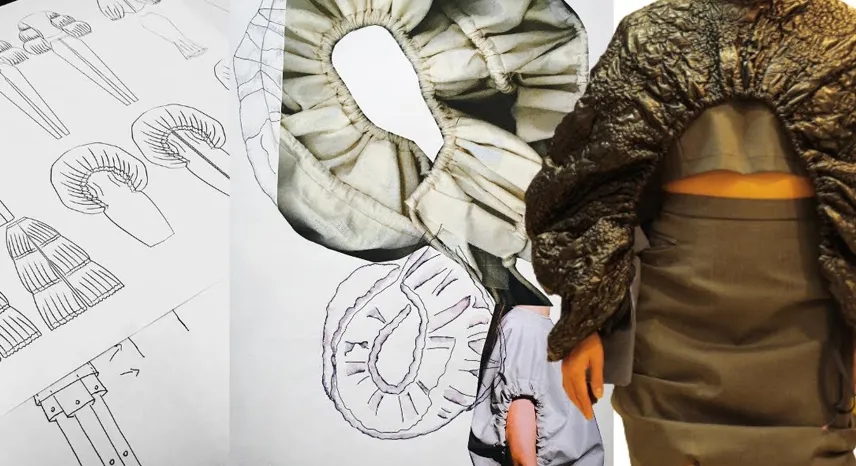
Introduction
Fashion is an art form that marries creativity, craftsmanship, and innovation. Behind every iconic runway show lies a meticulous process that transforms a simple sketch into a fully realized garment. In this blog, we take an insider’s look at the creative process behind fashion design—from the spark of an idea to the final runway presentation. Whether you’re an aspiring designer or a fashion enthusiast, this guide will provide you with valuable insights into the journey that brings style to life.
The Spark of Inspiration
Every fashion design begins with an idea. Designers often draw inspiration from art, history, nature, and even current social trends. The creative spark may come from a personal experience or an unexpected moment of beauty in everyday life. This initial burst of inspiration sets the foundation for what will eventually evolve into a full collection.
- Key Takeaway:
Inspiration is limitless and can be found anywhere. Keeping a journal or digital note can help capture fleeting ideas that may later transform into unique designs.
Once inspiration strikes, the next step is to translate that vision onto paper. Sketching is where the creative process takes its first concrete form.
The Role of Sketching
- Freehand Drawing:
Many designers start with rough sketches to outline the basic silhouette, form, and flow of a garment. These sketches serve as a visual diary of ideas.
With technology’s rise, many designers also use digital software like Adobe Illustrator or specialized fashion design apps to refine their sketches and experiment with different styles.
Sketching is often iterative. Initial drafts are refined multiple times until the design feels just right.
A well-detailed sketch helps designers visualize the final product and guides the next phases of development. It also acts as a communication tool for collaborating with pattern makers, tailors, and other team members.
Developing Mood Boards and Trends
After sketching, designers typically create mood boards to collate their ideas. Mood boards are visual collages that include color swatches, fabric samples, textures, and even inspirational images.
Creating a Mood Board
- Visual Storytelling:
Mood boards allow designers to express the overall theme and emotion of their collection. They serve as a roadmap that ties together all design elements.
Designers often integrate current fashion trends into their mood boards while maintaining a unique perspective. This helps in balancing originality with market appeal.
Mood boards are shared with the creative team to ensure everyone is aligned with the vision. This collaborative effort fosters innovative ideas and improvements.
One emerging designer noted, "Creating a mood board is like crafting a mini-exhibition. It pulls together everything from vintage fabrics to modern textures, and it’s the first time you see your ideas come together visually." (Interview excerpt with a young designer)
From Paper to Pattern
The transition from sketch to pattern is a critical phase. Designers must translate their two-dimensional designs into three-dimensional garments. This process requires precision, technical skills, and an understanding of fabric behavior.
Pattern Making
- Drafting:
Pattern makers draft templates based on the designer’s sketches. These templates serve as blueprints for cutting the fabric.
- Adjustments:
During this stage, adjustments are made to account for fabric stretch, drape, and ease of movement. Every detail is scrutinized to ensure the garment fits perfectly.
- Technology Integration:
Computer-aided design (CAD) systems have revolutionized pattern making, allowing for more accurate and efficient drafting.
The Importance of Precision
With a pattern in hand, the next step is creating a prototype—often referred to as a sample or muslin. This stage is crucial for testing the design in a three-dimensional space.
The Sample Process
- Constructing the Prototype:
The prototype is typically constructed using inexpensive fabric to test the design. This helps identify any issues with fit or design before final production.
- Fittings:
Multiple fittings are conducted to refine the garment. Designers assess how the fabric falls, how the garment moves, and where adjustments are necessary.
- Feedback:
Feedback from models, tailors, and the design team is invaluable. Iterative changes are made until the design is perfected.
Importance of Prototyping
Prototyping is a trial-and-error phase where creativity meets technical execution. It ensures that the final product is both aesthetically pleasing and practical to wear.
The culmination of the creative process is the runway show—a celebration of art, design, and innovation. It’s where the designer’s vision is unveiled to the world.
Preparing for the Runway
- Rehearsals and Adjustments:
Before the show, designers host rehearsals to ensure that every detail, from lighting to music, complements the collection.
- Showcase:
On the day of the runway show, the collection is presented in a carefully choreographed sequence. The garments are displayed on models, each look telling a part of the overall story.
- Public and Media Response:
The runway show is not just a fashion event; it’s a performance. The reaction from the audience, critics, and media often sets the tone for the collection’s success.
A Designer’s Reflection
A seasoned designer once shared, "The runway is where your dreams meet reality. After months of hard work, seeing your creations walk the stage is both nerve-wracking and exhilarating." (Interview excerpt with a veteran designer)
Interviews with Designers
To provide further insight into the creative process, we reached out to several industry experts. Their experiences illustrate that while the journey from sketch to runway is complex, it is also immensely rewarding.
Insight from Emerging Designers
- Jane Alvarez, Emerging Designer:
"Every piece starts with a spark. The most challenging part is staying true to your vision while also considering practical aspects like fabric behavior and fit."
- Mark Rivers, Pattern Maker and Consultant:
"The transition from a sketch to a pattern requires a keen eye for detail. It’s a collaborative process that brings together creativity and technical expertise."
Conclusion
The journey from sketch to runway is a testament to the creativity and dedication of fashion designers. From the initial spark of inspiration to the final moments on the runway, each step is infused with passion and artistry. By understanding the process—from sketching and mood boarding to pattern making, prototyping, and the runway show—you gain a deeper appreciation for the art of fashion design.
This behind-the-scenes look not only demystifies the process but also inspires aspiring designers to embark on their own creative journeys. Fashion is ever-evolving, and the magic lies in the transformation of ideas into wearable art.
FAQs
Q: What inspires designers to create new collections?
A: Designers draw inspiration from various sources including art, nature, history, and current social trends. Keeping a sketchbook or mood board can help capture these ideas.
Q: How important is prototyping in the design process?
A: Prototyping is critical as it allows designers to test the garment’s fit, structure, and overall aesthetic. It provides an opportunity to make necessary adjustments before final production.
Q: Can digital tools replace traditional sketching in fashion design?
A: Digital tools complement traditional sketching. While many designers still value hand-drawn sketches for their organic quality, digital tools offer precision and flexibility, especially during pattern making and revisions.
Q: What role do runway shows play in a designer’s career?
A: Runway shows are essential for unveiling a collection, generating media buzz, and receiving feedback from industry insiders. They mark a designer’s transition from concept to reality.
Recent Blogs
-
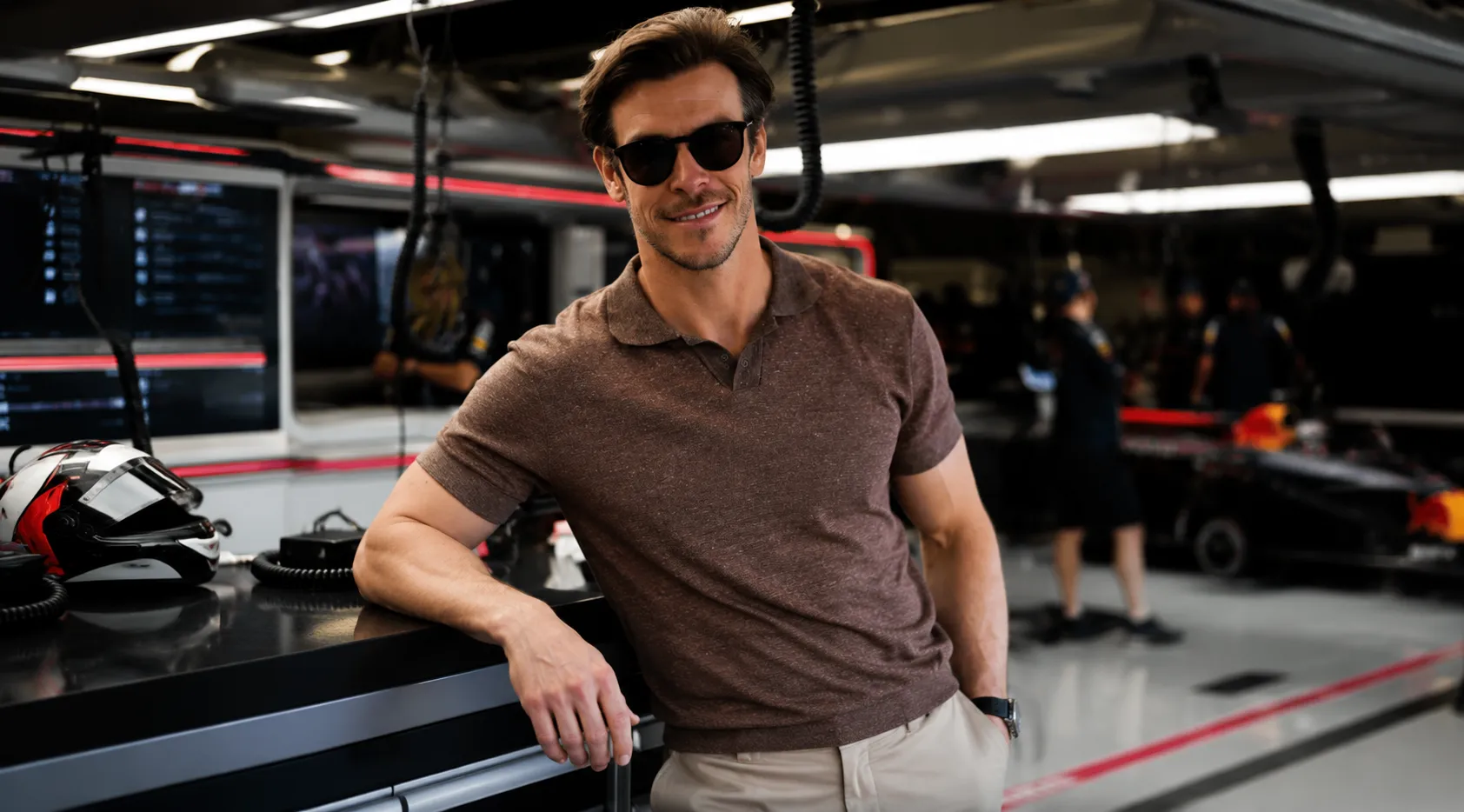
How to Style the Gareth Bale F1 Grand Prix of Great Britain Shirt for a Modern Racing-Inspired Look
-
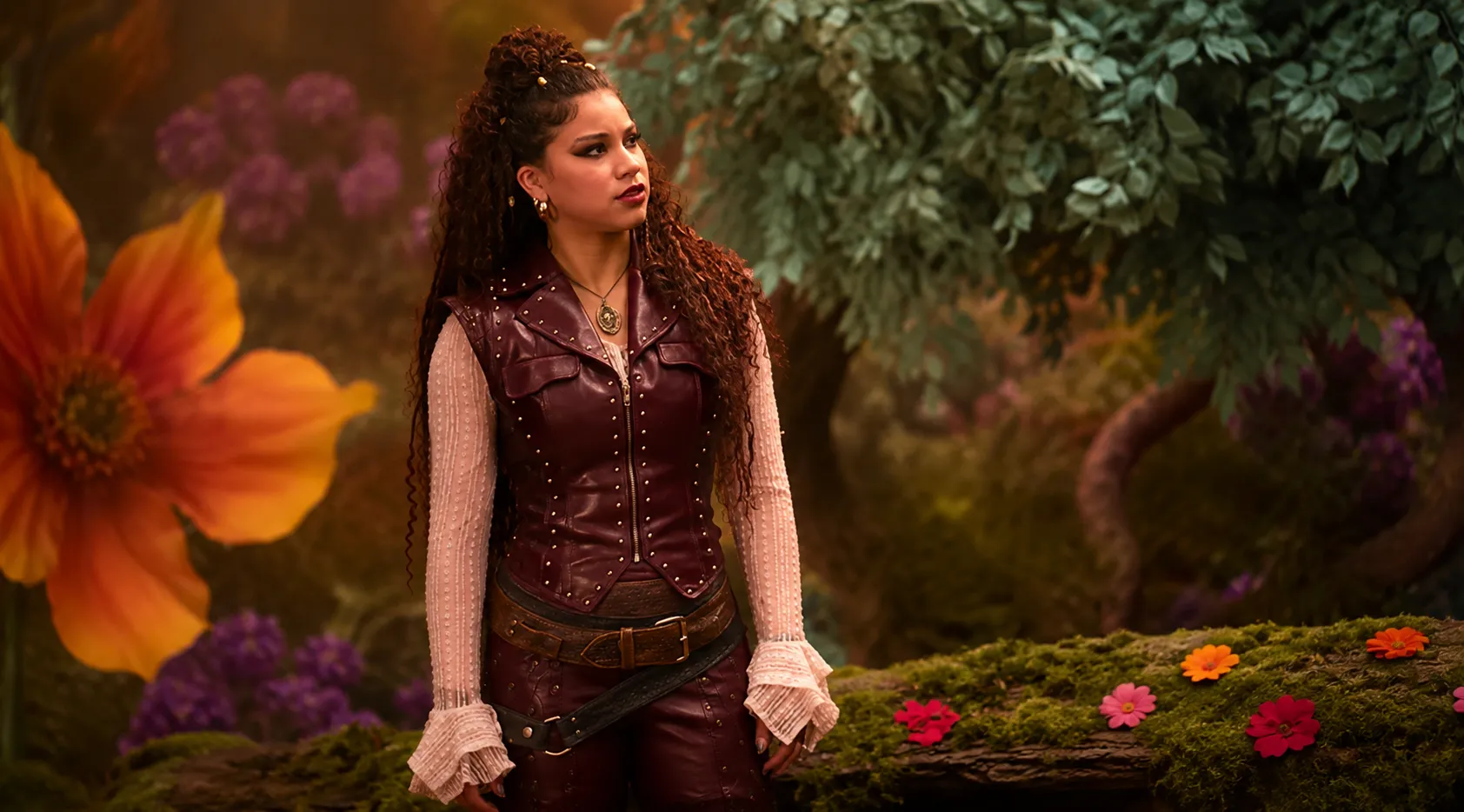
How to Create a Magical Villain-Inspired Look with the Descendants Wicked Wonderland 2026 Kiara T Romero Leather Vest
-
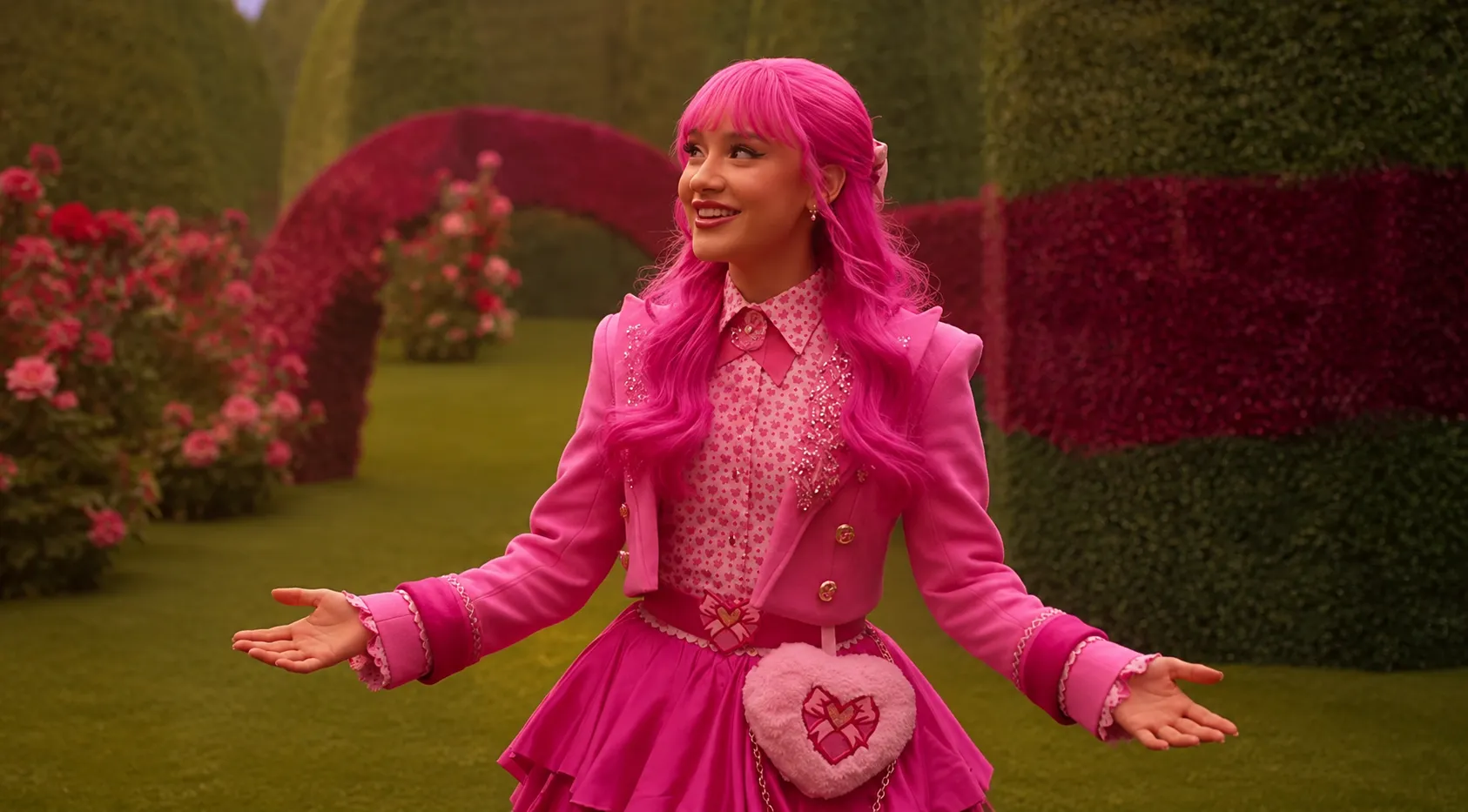
How to Style the Descendants Wicked Wonderland 2026 Liamani Segura Jacket for a Magical Fashion Look
-
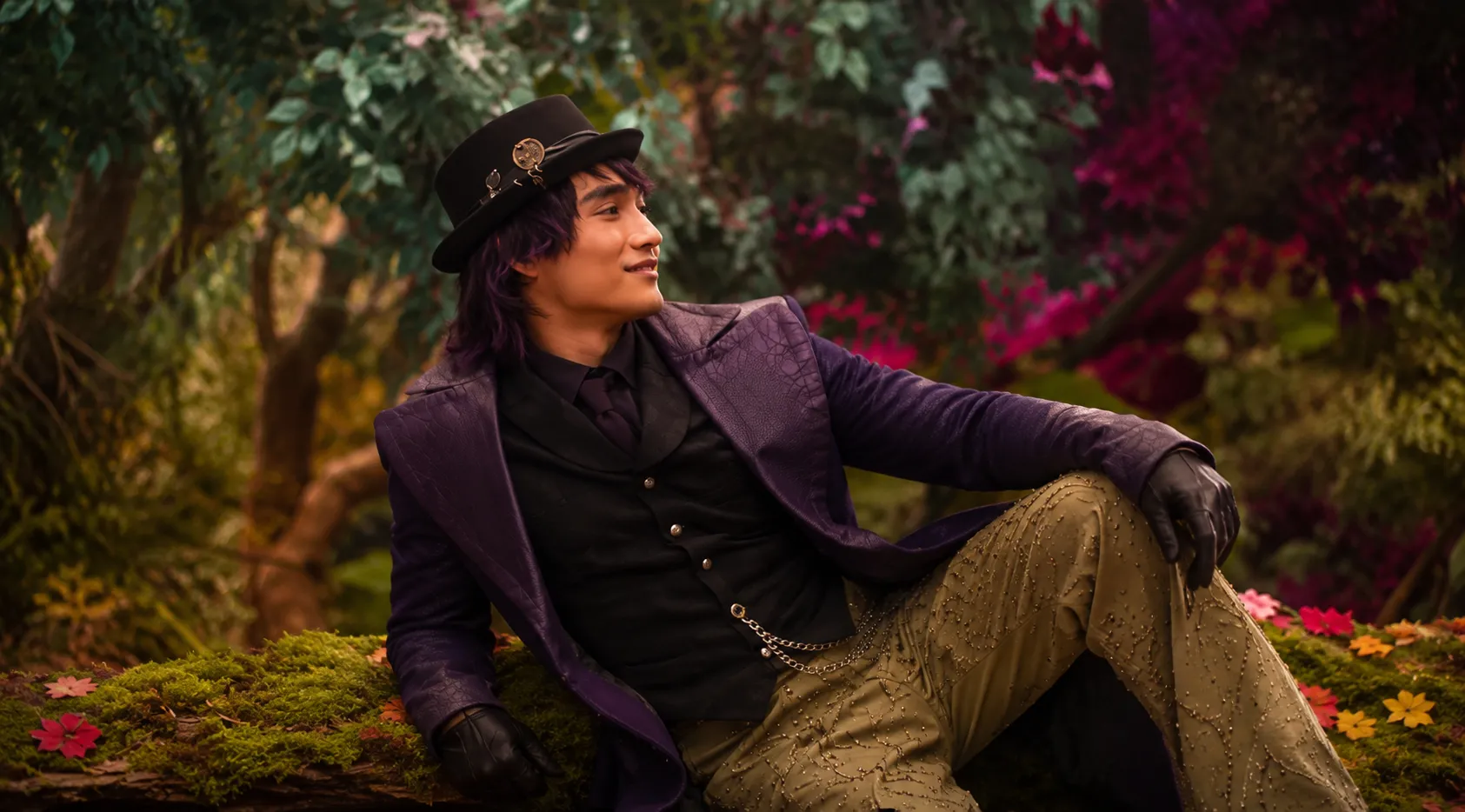
How to Style the Descendants Wicked Wonderland 2026 Brendon Tremblay Leather Coat for a Magical Fashion Look
-
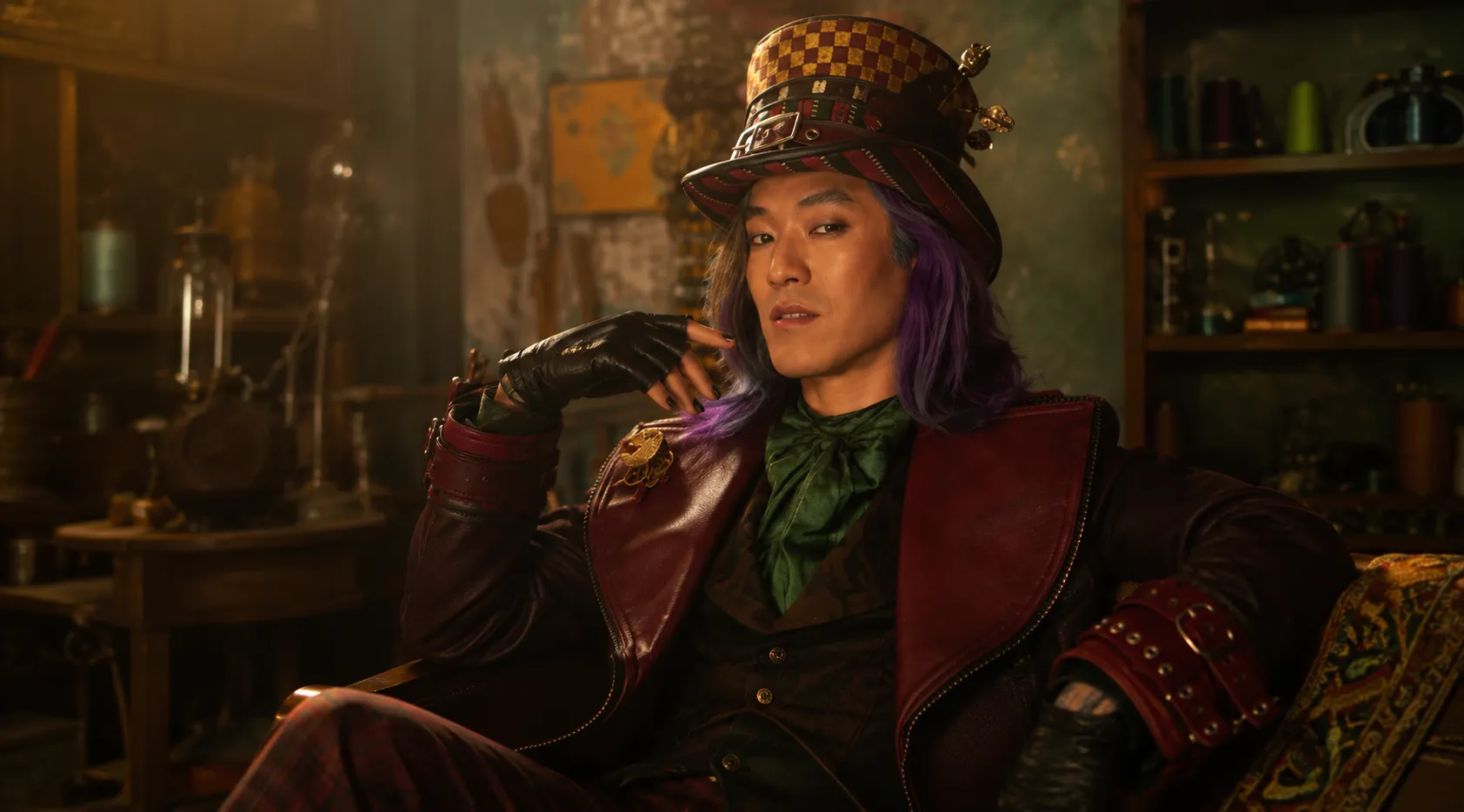
How to Style the Descendants Wicked Wonderland 2026 Leonardo Nam Leather Coat for a Magical Fashion Statement