How to Shop Vintage: Tips for Finding Timeless Pieces

Vintage fashion never goes out of style. From elegant silhouettes of bygone eras to edgy streetwear from decades past, vintage clothing offers a unique blend of history, craftsmanship, and individuality.
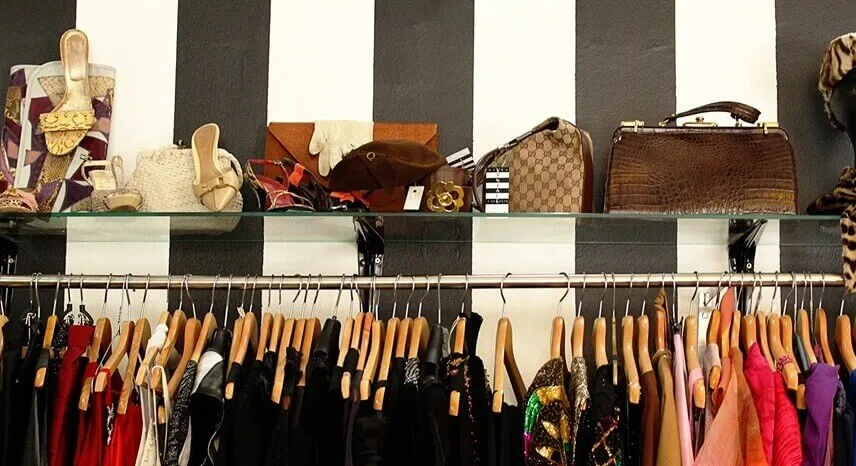
Introduction
Vintage fashion never goes out of style. From elegant silhouettes of bygone eras to edgy streetwear from decades past, vintage clothing offers a unique blend of history, craftsmanship, and individuality. Whether you’re a seasoned collector or new to the world of vintage shopping, understanding how to navigate thrift stores, vintage boutiques, and online marketplaces can elevate your wardrobe with one-of-a-kind treasures.
In this comprehensive guide, we’ll cover everything you need to know about shopping vintage—from identifying authentic pieces to styling tips for modern looks. Read on to discover expert advice on finding timeless pieces that not only stand the test of time but also express your personal style.
Vintage clothing typically refers to garments that are at least 20 to 30 years old. These pieces carry a sense of nostalgia and often boast superior craftsmanship and materials that modern mass-produced items can’t match. By shopping vintage, you’re not only acquiring unique fashion items but also investing in pieces that have a story to tell.
Why Choose Vintage?
- Sustainability: Embracing vintage fashion helps reduce waste by giving pre-loved items a new life.
- Uniqueness: Vintage pieces set you apart from the crowd—each item is unique and rarely replicated.
- Quality: Many vintage garments were made with higher-quality materials and techniques that last longer than today’s fast fashion.
Where to Find Vintage Treasures
Finding authentic vintage pieces can be an adventure. There are various avenues for hunting down those timeless treasures:
Brick-and-Mortar Stores
- Thrift Shops and Consignment Stores:
Local thrift shops often have hidden gems waiting to be discovered. Spend time browsing and don’t be afraid to explore multiple stores.
- Vintage Boutiques:
Specialty boutiques curate collections of vintage clothing, ensuring quality and authenticity. These shops are ideal for those seeking specific eras or styles.
- Flea Markets and Estate Sales:
Flea markets and estate sales can be goldmines for rare finds. Arriving early and keeping an eye on details can make all the difference.
Online Marketplaces
- Etsy and eBay:
These platforms offer vast selections of vintage clothing. Use filters to narrow your search by era, size, or style.
- Specialty Vintage Websites:
Websites dedicated solely to vintage fashion often have curated collections with detailed descriptions, making it easier to find quality items
- Social Media Marketplaces:
Instagram and Facebook groups can connect you with vintage sellers in your area or even internationally.
Tips for In-Store and Online Hunting
- Set a Budget:
Vintage shopping can vary widely in price. Know your budget before you start to avoid overspending on must-have items.
Finding that perfect piece may take time. Treat vintage shopping as an exciting treasure hunt.
Build relationships with shop owners or online sellers. They might alert you when new pieces arrive.
Whether you’re shopping in-store or online, keep these tips in mind to make the most of your vintage hunt:
Do Your Research
- Learn the Eras:
Familiarize yourself with different fashion eras and their distinctive styles. Knowing the trends and materials of the time helps you spot genuine vintage items.
Vintage sizing can differ significantly from modern standards. Take accurate measurements of your body and compare them to the seller’s provided dimensions.
- Check for Wear and Tear:
Look for signs of damage like stains, missing buttons, or loose seams. Minor flaws can often be repaired, but major damage might detract from the piece’s value.
- Assess the Fabric:
High-quality natural fibers such as wool, cotton, and silk are common in vintage clothing. Familiarize yourself with the feel and look of quality fabrics.
- Authenticity Markers:
Some vintage items come with tags, labels, or designer marks that verify their age and authenticity.
Negotiation and Pricing
- Haggle Respectfully:
In many vintage stores or flea markets, prices are negotiable. Approach negotiations with respect and a friendly attitude.
- Understand Rarity:
Unique or rare pieces may command higher prices. Consider these as investments that add significant character to your wardrobe.
How to Spot Authentic Vintage
Spotting true vintage items requires a keen eye and a bit of knowledge about fashion history. Here are some red flags and positive indicators:
Positive Indicators
- Labels and Tags:
Vintage garments often feature distinctive labels or tags that reflect the era. Research these labels to verify their authenticity.
- Construction Techniques:
Look for quality details like hand-sewn buttons, intricate embroidery, or tailored cuts. Authentic vintage pieces usually exhibit superior craftsmanship.
- Fabric and Material:
Genuine vintage clothing tends to be made from natural fibers. Synthetic fabrics became popular later, so an abundance of natural materials can indicate a true vintage item.
Red Flags
- Excessive Wear:
While some wear is expected, significant damage might suggest that the item has been overused or not well cared for.
- Inconsistent Sizing:
Vintage sizing standards differ greatly from modern sizing charts. An item that doesn’t match its labeled measurements might not be authentic.
- Unusual Labels:
Be cautious of labels that mimic vintage designs but lack historical context. When in doubt, research the brand or designer.
Styling Vintage in a Modern Wardrobe
Integrating vintage pieces with contemporary fashion can create a striking and individual look. Here’s how to mix and match vintage with modern staples:
Create a Focal Point
- Statement Pieces:
Choose one vintage item as the centerpiece of your outfit—like a classic leather jacket or a 1970s bohemian dress—and build a modern look around it.
- Neutral Bases:
Pair vintage items with neutral modern basics. A well-fitted pair of jeans or a simple white tee can balance the unique details of a vintage piece.
Experiment with Layering
- Mix Textures and Patterns:
Combine the intricate textures of vintage clothing with smooth, modern fabrics. Layering can add depth and interest to your ensemble.
Use modern accessories such as sunglasses, handbags, or sneakers to complete a look that’s both timeless and current.
- Own Your Style:
Vintage fashion is all about personal expression. Wear your vintage finds with confidence, knowing that your style is a curated blend of history and modernity.
- Experiment Boldly:
Don’t be afraid to experiment. The beauty of vintage shopping is in the discovery of unexpected combinations that express your unique personality.
Caring for Your Vintage Pieces
Proper care is crucial to maintaining the beauty and longevity of vintage clothing. Here are some essential care tips:
Cleaning and Maintenance
- Follow Label Instructions:
Vintage garments may require special care. Always check the care labels and follow recommended cleaning instructions.
- Hand Wash When Possible:
Hand washing is often gentler on delicate fabrics. Use mild detergents and cold water to preserve the garment’s integrity.
- Professional Cleaning:
For particularly delicate or high-value pieces, consider professional cleaning services that specialize in vintage items.
Storage Tips
- Proper Storage:
Store vintage items in a cool, dry place away from direct sunlight. Use padded hangers for delicate pieces and acid-free tissue paper to help maintain shape.
- Regular Inspection:
Periodically inspect your vintage pieces for signs of deterioration. Early detection of issues like moth damage or fabric weakening can help preserve your treasures.
Conclusion
Vintage shopping is more than a trend—it’s a lifestyle choice that celebrates individuality, quality, and sustainability. By understanding how to find and care for vintage pieces, you’re not just acquiring clothing; you’re investing in wearable history. Whether you’re scouring local thrift shops, exploring online marketplaces, or attending flea markets, remember that each vintage find carries a unique story and timeless charm.
Embrace the adventure of vintage shopping, and let your wardrobe tell a story of style that transcends time. With patience, research, and a keen eye for quality, you can build a collection of vintage treasures that perfectly reflects your personal style.
FAQs
Q: What qualifies as vintage clothing?
A: Generally, clothing that is at least 20 to 30 years old is considered vintage. However, some pieces may be classified as retro if they imitate styles from past decades.
Q: How can I tell if a vintage item is authentic?
A: Look for original labels, quality construction details, and the use of natural fabrics. Researching the brand and era can also help verify authenticity.
Q: Can I mix vintage pieces with modern fashion?
A: Absolutely! Vintage items can be styled with modern basics to create unique, balanced outfits. The key is to find a focal piece and build around it.
Q: What is the best way to care for vintage clothing?
A: Follow the care instructions on the label, hand wash delicate items when possible, and consider professional cleaning for high-value pieces. Proper storage is also essential to maintain their quality.
Recent Blogs
-

How to Style the Gareth Bale F1 Grand Prix of Great Britain Shirt for a Modern Racing-Inspired Look
-
How to Create a Magical Villain-Inspired Look with the Descendants Wicked Wonderland 2026 Kiara T Romero Leather Vest
-
How to Style the Descendants Wicked Wonderland 2026 Liamani Segura Jacket for a Magical Fashion Look
-
How to Style the Descendants Wicked Wonderland 2026 Brendon Tremblay Leather Coat for a Magical Fashion Look
-
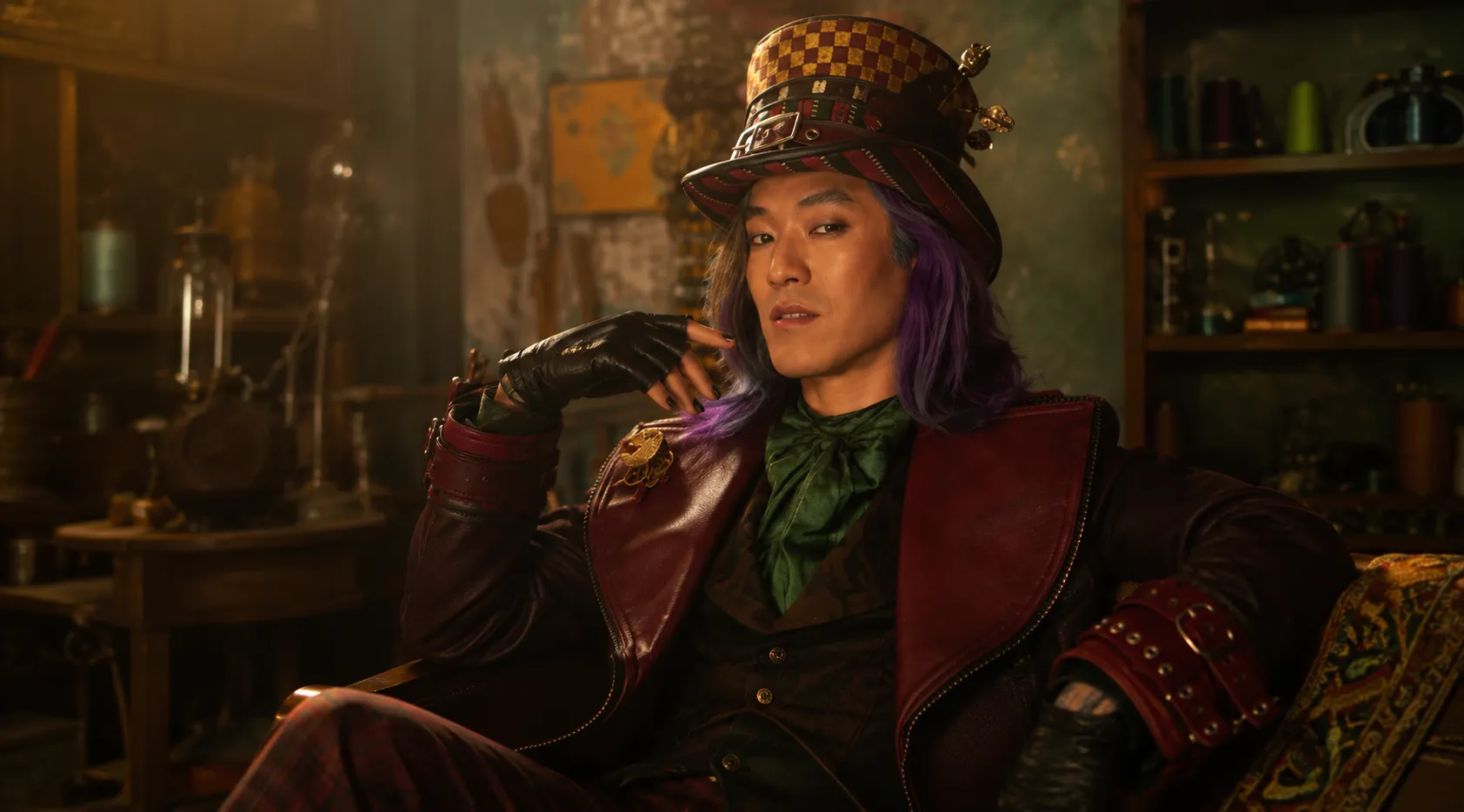
How to Style the Descendants Wicked Wonderland 2026 Leonardo Nam Leather Coat for a Magical Fashion Statement