Lighting Mastery: Transform Your Home’s Ambience with Expert Lighting Techniques

Lighting is a fundamental aspect of interior design, profoundly influencing the ambiance, functionality, and aesthetic appeal of a home.
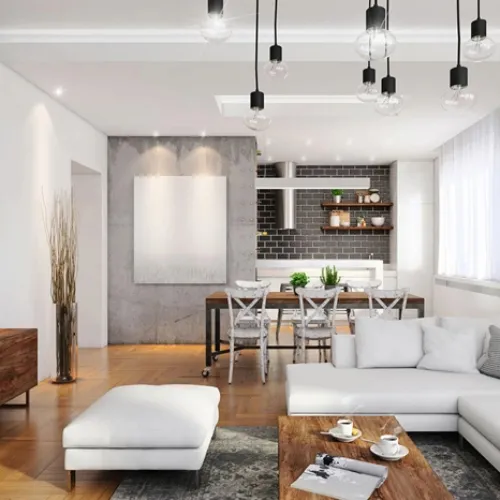
Lighting is a fundamental aspect of interior design, profoundly influencing the ambiance, functionality, and aesthetic appeal of a home. By understanding and strategically implementing various lighting techniques, you can transform your living spaces to reflect desired moods and enhance daily activities.
The Importance of Lighting in Home Design
1. Setting the Mood:
Lighting plays a pivotal role in evoking emotions and creating atmospheres. Bright, cool-toned lights can invigorate and energize, making them suitable for workspaces, while warm, dimmed lights promote relaxation, ideal for bedrooms and living areas.
2. Enhancing Space:
Proper lighting can manipulate perceptions of space. Well-placed lights can make compact areas feel more open and expansive, while strategic lighting can add depth and coziness to larger rooms.
3. Functional Benefits:
Adequate lighting is essential for performing daily tasks efficiently and safely. It reduces eye strain, prevents accidents, and enhances productivity by providing appropriate illumination for specific activities.
Types of Lighting and How to Layer Them
Achieving optimal lighting involves layering different types to serve various purposes:
1. Natural Lighting
- Maximize Sunlight: Incorporate large windows, skylights, and glass doors to flood interiors with natural light. This not only reduces the need for artificial lighting but also positively impacts mood and well-being.
- Reflective Surfaces: Utilize mirrors and light-colored surfaces to reflect natural light, distributing it more evenly and enhancing brightness within the space.
2. Ambient Lighting
- Overall Illumination: Ambient lighting provides general illumination, ensuring a uniform light level throughout the room. Fixtures like ceiling-mounted lights, chandeliers, or recessed lighting are commonly used for this purpose.
- Dimmers and Controls: Installing dimmer switches allows for adjustable light intensity, enabling you to tailor the ambiance to different times of the day or specific activities.
3. Task Lighting
- Focused Illumination: Task lighting is dedicated to specific activities such as reading, cooking, or working. It provides concentrated light to enhance visibility and reduce eye strain.
- Practical Fixtures: Table lamps, desk lamps, under-cabinet lights, and pendant lights over kitchen islands are typical examples of task lighting fixtures.
4. Accent Lighting
- Highlighting Features: Accent lighting draws attention to architectural details, artwork, or decorative elements, adding depth and focal points to a room.
- Creative Effects: Techniques such as wall washing, spotlighting, or using LED strips can create dramatic effects and enhance the visual interest of a space.
Practical Tips for Lighting Mastery
- Layer Your Lighting: Combine various lighting types to create a versatile and dynamic environment. For instance, pairing ambient lighting with task and accent lights allows for flexibility and enhances the room's functionality.
- Plan for Different Moods: Consider the activities that will take place in each room and adjust the lighting accordingly. Bright, focused lights are suitable for work areas, while softer, diffused lighting is ideal for relaxation spaces.
- Energy Efficiency: Opt for energy-efficient lighting solutions, such as LED bulbs, which consume less power and have a longer lifespan. This choice is both environmentally friendly and cost-effective.
- Incorporate Dimmable Lights: Using dimmable lighting fixtures allows you to adjust light levels, creating a customizable ambiance and contributing to energy savings.
- Use of Color Temperature: Selecting the appropriate color temperature for bulbs can influence the mood of a room. Warm white light (around 2700K) creates a cozy atmosphere, while cool white light (4000K and above) is more stimulating and suitable for task-oriented areas.
Final Thoughts
Mastering the art of lighting is essential for creating a harmonious and inviting home environment. By thoughtfully layering natural and artificial light sources, considering the function of each space, and paying attention to details like color temperature and energy efficiency, you can significantly enhance both the aesthetic appeal and practicality of your home.
Recent Blogs
-

How to Style the Gareth Bale F1 Grand Prix of Great Britain Shirt for a Modern Racing-Inspired Look
-

How to Create a Magical Villain-Inspired Look with the Descendants Wicked Wonderland 2026 Kiara T Romero Leather Vest
-
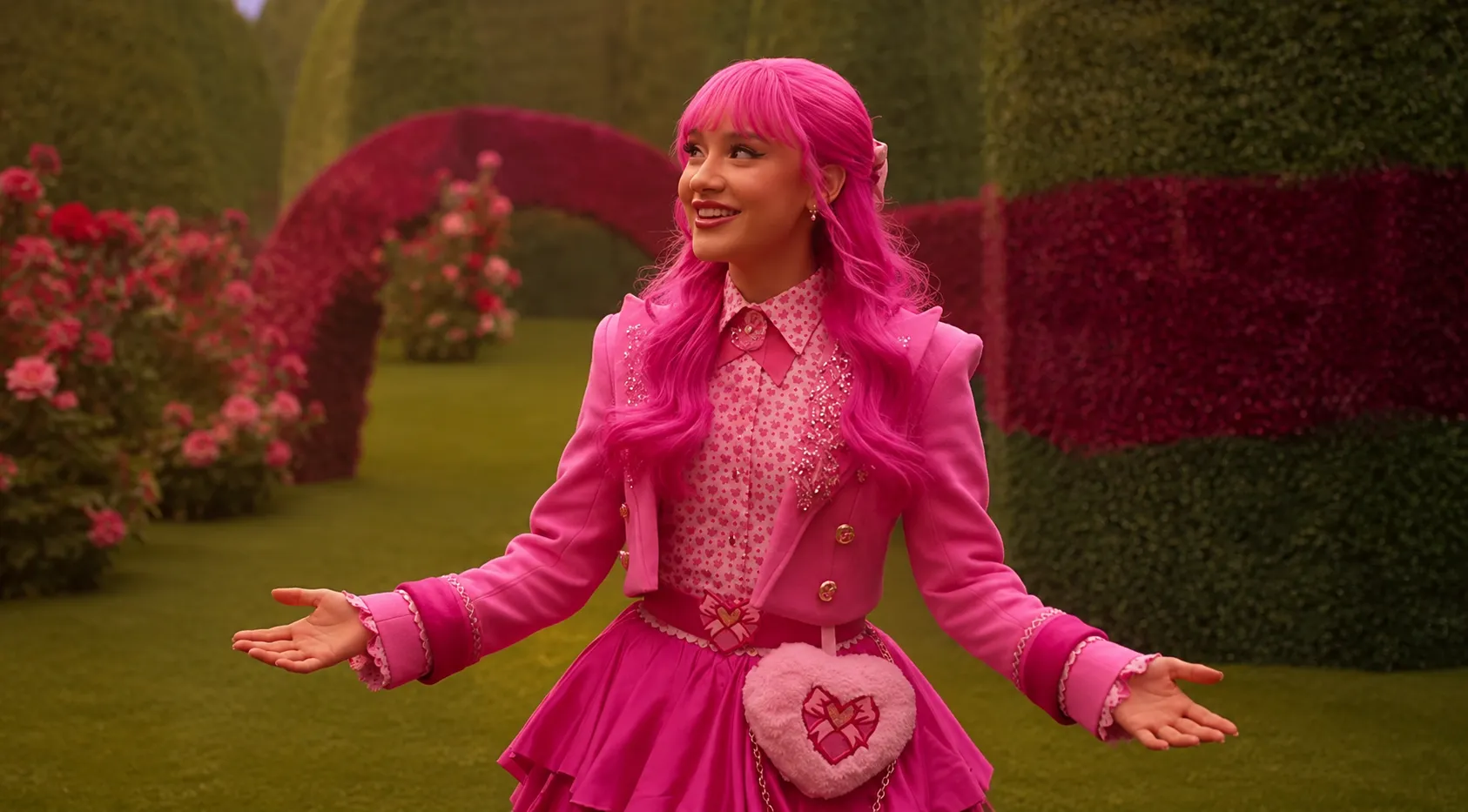
How to Style the Descendants Wicked Wonderland 2026 Liamani Segura Jacket for a Magical Fashion Look
-

How to Style the Descendants Wicked Wonderland 2026 Brendon Tremblay Leather Coat for a Magical Fashion Look
-

How to Style the Descendants Wicked Wonderland 2026 Leonardo Nam Leather Coat for a Magical Fashion Statement