Ultimate Dog Crate Buying Guide: Choosing the Right Crate for Your Pup

Choosing the right dog crate is more than just picking a box for your pet to stay in, it’s about creating a safe, comfortable, and practical space for your dog that supports training, travel, and everyday life.
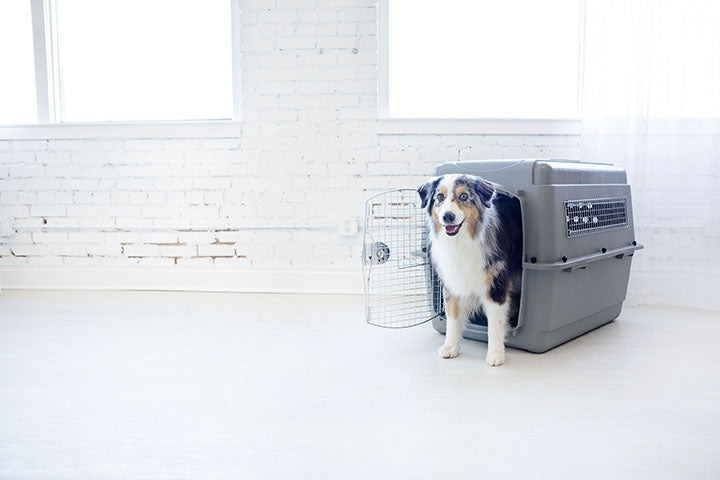
Choosing the right dog crate is more than just picking a box for your pet to stay in, it’s about creating a safe, comfortable, and practical space for your dog that supports training, travel, and everyday life. With the variety of crates available today, from collapsible travel-friendly options to heavy-duty, escape-proof designs, it’s essential to understand your pup’s needs, lifestyle, and behavior before making a purchase. This comprehensive guide will help you navigate the world of dog crates from Impact Dog Crates and find the perfect fit for your furry friend.
Why Choosing the Right Crate Matters
A well-chosen crate provides security, comfort, and structure. Dogs naturally seek small, enclosed spaces to feel safe, and a crate can serve as their personal den. Beyond comfort, a crate is invaluable for:
- Training: A crate can help with house training, teaching your dog bladder and bowel control.
- Behavior Management: Helps prevent destructive behavior when unsupervised.
- Travel Safety: Ensures your dog is secure during car rides or flights.
- Separation Anxiety Support: Offers a familiar, safe space while you’re away.
However, a poorly chosen crate can lead to discomfort, escape attempts, or even fear of confinement. Understanding your dog’s size, temperament, and habits is key to making the right choice.
Step 1: Consider Your Dog’s Size and Breed
Sizing is crucial. A crate that’s too small can make your dog feel cramped, while one that’s too large may not provide the sense of security a crate should offer.
How to Measure Your Dog:
- Height: Measure from the floor to the top of your dog’s shoulders.
- Length: Measure from the tip of the nose to the base of the tail.
- Add Space: Add 2–4 inches to both measurements to ensure comfort.
Crate Guidelines by Breed Size:
- Small Breeds (Chihuahua, Pomeranian, Yorkie): 18–24 inches long
- Medium Breeds (Beagle, Cocker Spaniel, Bulldog): 30–36 inches long
- Large Breeds (Golden Retriever, Labrador, Boxer): 42–48 inches long
- Extra-Large Breeds (Great Dane, Mastiff): 54 inches or larger
Keep in mind that puppies grow. Choosing a slightly larger crate with a divider can help accommodate growth without compromising training.
Step 2: Identify Your Dog’s Behavior and Needs
Your dog’s temperament and habits play a significant role in determining the type of crate that will work best.
- Escape Artists: Dogs who chew, paw, or attempt to break free need heavy-duty, escape-proof crates made of aluminum or reinforced steel.
- Anxious Dogs: Those who experience stress when confined benefit from crates with solid panels or covers to reduce visual stimuli.
- Calm Dogs: Easygoing dogs may be comfortable in collapsible or wire crates, which are more lightweight and portable.
- Chewers: For dogs prone to chewing, metal crates are more durable than plastic or soft-sided options.
Step 3: Choose the Right Crate Type
Dog crates come in various styles, each designed for different needs and lifestyles.
1. Wire Crates
- Pros: Well-ventilated, easy to clean, collapsible for storage.
- Cons: Not escape-proof for determined dogs; less privacy.
- Best For: Calm dogs, indoor use, and travel where visibility is preferred.
2. Plastic Crates
- Pros: Lightweight, airline-approved, enclosed for privacy.
- Cons: Less durable against chewers or escape attempts.
- Best For: Air travel and dogs who prefer a cozy, enclosed space.
3. Aluminum / Heavy-Duty Crates
- Pros: Extremely durable, escape-proof, lightweight yet strong.
- Cons: Higher price point.
- Best For: Large breeds, anxious or escape-prone dogs, frequent travelers.
4. Soft-Sided Crates
- Pros: Lightweight, portable, foldable, great for calm dogs.
- Cons: Not suitable for chewers or aggressive dogs; limited durability.
- Best For: Short-term travel, gentle small- to medium-sized dogs.
Step 4: Crate Features to Look For
When shopping for a crate, consider features that enhance comfort, convenience, and safety:
- Dividers: Allow crate size adjustment for growing puppies.
- Double Doors: Provide flexible entry and exit options.
- Removable Tray: Makes cleaning easier, especially for indoor crates.
- Handles or Wheels: For portability, particularly with larger crates.
- Ventilation: Ensure your dog can breathe comfortably and stay cool.
- Secure Latches: Prevent escape attempts and provide peace of mind.
Step 5: Crate Placement and Setup
A crate is most effective when placed in a quiet, comfortable area of your home — not in direct sunlight or near loud appliances. Add a soft bed, blanket, or favorite toy to make it inviting.
For travel crates, secure the crate in a vehicle with seat belts or anchors to prevent tipping. Always check airline guidelines if you plan to fly with your dog.
Step 6: Crate Training Tips
Training your dog to use a crate properly is essential for comfort and safety:
- Introduce Slowly: Allow your dog to explore the crate at their own pace.
- Positive Reinforcement: Reward calm behavior with treats and praise.
- Short Sessions: Begin with short intervals, gradually increasing time spent inside.
- Never Use as Punishment: The crate should be a safe, positive space, not a place of fear.
- Consistency: Establish regular crate times, such as during meals, naps, or bedtime.
Real-Life Use Cases
Case 1: A Growing Puppy
A 12-week-old Labrador requires a crate that accommodates growth. Using a wire crate with a divider allows the puppy to feel secure while providing room to grow.
Case 2: A Chewer and Escape Artist
A medium-sized terrier prone to chewing requires a heavy-duty aluminum crate. The secure latches and reinforced panels prevent escapes and protect the dog from injury.
Case 3: Travel-Ready Companion
For a small breed traveling by plane, a plastic airline-approved crate offers privacy, comfort, and compliance with airline regulations.
Bonus Tips for Dog Owners
- Measure Before Buying: Always double-check measurements to ensure your dog will be comfortable.
- Consider Longevity: Heavy-duty crates may cost more initially but last years longer than soft-sided or plastic models.
- Invest in Comfort: A soft bed or crate mat makes a huge difference in your dog’s willingness to use the crate.
- Monitor Usage: Avoid leaving dogs in crates for excessive periods; balance confinement with play, exercise, and socialization.
Choosing the right dog crate is about matching your dog’s size, temperament, and lifestyle with a crate that provides comfort, security, and practicality. Whether you need a lightweight travel crate, a collapsible option for convenience, or a heavy-duty escape-proof design for large or anxious dogs, investing in the right crate benefits both you and your pup.
With proper selection, placement, and training, a dog crate becomes more than just a containment tool, it becomes a safe haven, a training aid, and a travel companion, helping your dog feel secure while supporting a happy, healthy life.
Recent Blogs
-

How to Choose the Right Books for Self-Education (Without Feeling Overwhelmed)?
-

How to Choose the Right Travel Luggage Without the Stress (Especially for International Trips)
-
Styling Activewear in 2026: Trendy Ways to Wear Butterluxe Pieces
-
Home Simulator Setup Guide: Choosing the Right Launch Monitor for Every Space
-
His and Hers Wedding Band Style Guide: Simple, Stylish, and Sentimental