What’s the Best Way to Mix Patterns and Textures in Home Decor?

Regarding home decor, combining patterns and textures can make an insipid area a masterpiece.
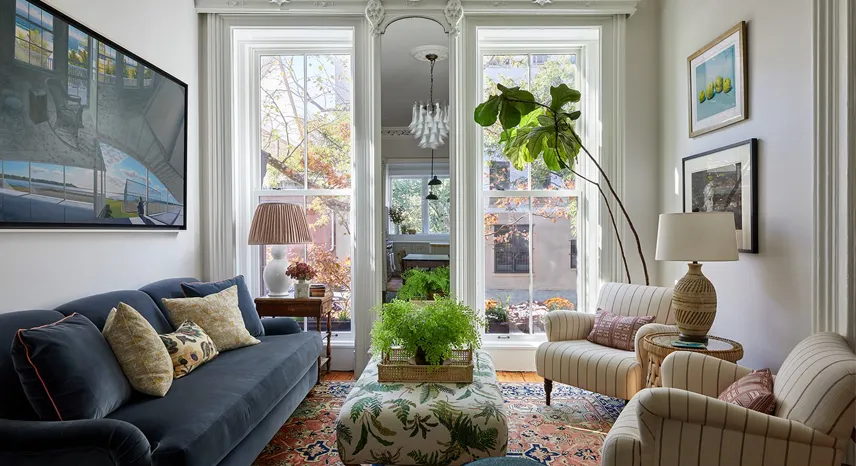
Regarding home decor, combining patterns and textures can make an insipid area a masterpiece. Yet, it is also one of the most challenging aspects of interior design. How can you bring different patterns and textures to shape a dwelling place and avoid visual clutter? The answer is centering on balance, harmony, and organization. Through this post, we will be able to find out how to mix patterns and textures in home decor, which gives us a few practical tips and inspiration to create a beautiful internal and homologous space.
Why Mix Patterns and Textures?
Patterns and textures are the elements that provide depth, interest, and soul to a room. They present something like the space becomes more lively, welcoming, and visually engaging. Using solid colors by themselves is a proper approach to get a cleaner and minimalist appearance, but throwing patterns and textures mixed in will add more excitement to the decor. Whether you go for a weird geometric print, a vague floral pattern, or a soft rug with texture, these pieces becoming a part of your dwelling can make it a fantasy land.
Yet the problem is understanding the process of its successful combination. Too many different patterns can make the eye feel restlessly on the spot, while too many textures may suffocate a place. Essentially, you are after to find the perfect endpoint: a connected and digestible environment.
Step 1: Start with a Neutral Base
First, you want to choose a neutral and plain base. Before you start toying with patterns and textures, making a clean and non-bright color base is essential. For example, white, brown, and other warm colors give the room a peaceful feel, making it a perfect background for patterns and textures. These neutrals work for you as if you were building your designs from the basics.
For example, when decorating a living room, you can start with a neutral-colored sofa or walls. This provides a transparent and open ground for adding patterns and textures without placing furniture.
Step 2: Choose a Color Palette
After your neutral base, choose a color palette that will be the basis for your pattern and texture choices. A unified color scheme ensures all components match, even though diverse patterns and textures are applied.
For example, if your color palette is composed of shades of blue, green, and gold, you can enter various designs—say, lines, flowers, and diamonds—if they showcase the same colors.
Step 3: Mix Patterns with Different Scales
One of the most fundamental principles of mixing patterns is diversely choosing their size and shape. Combine oversized patterns with small ones to create a deliberate contrast and harmony. For instance, even a large floral print on your curtains could be perfectly countered with a smaller geometric pattern on your throw pillows.
Here’s a simple formula to follow:
- Large-scale pattern: Used mainly for statement pieces, such as curtains, rugs, or accent walls.
- Medium-scale pattern: The best choice for upholstery, bedding, or tablecloths.
- Small-scale pattern: The best option for throw pillows, cushions, or decorative accessories.
Combining patterns of different scales creates visual interest while sparing the décor from looking messy.
Step 4: Incorporate Textures for Depth
Textiles change the character of a surface, in this case, a piece of furniture. Your furniture gets a 3D appearance and feels more alive. By combining textures, a designer achieves unity and avoids boredom. For instance, combine a smooth leather sofa with a chunky knit throw or a velvet cushion.
Here are some ways you can add some texture to your home decor:
- Soft textures: For example, imagine plush carpets, warm blankets, and velvet chairs.
- Complex textures: Choose solid and rigid materials, such as glass, wood, and metal.
- Natural textures: For an authentic touch, you can create nature in your rooms by using natural materials, such as jute, reed, or even stone.
The perfect combination of soft and hard textures is the key to creating a room for everyone. The room feels cozy here, and the textures look soft and hard.
Step 5: Solids, the Suitable Mediator for Patterns’ Behavioral Issues
Consider using a solid one when mixing patterns and textiles as a relief. Solids divide the room visually so decorations do not get in each other’s way. For example, if your curtains have a pattern and you like a patterned rug, balance your look with furniture or cushions with one solid color.
Furthermore, solids will ground the space and help maintain its stability while the patterns and textures go wild.
Step 6: You are a Biome Genius
I might be right when I say that we like to mix and match initially, but when everything is aligned in its place, the magic becomes very tangible. Mixing patterns and textures is one of the best creative ideas for increasing your room's flexibility and coziness. Of course, you will have a different approach if you want a modern, boho, or traditional style.
For example, a bohemian look could be created with satisfied looks by using ikat, paisley, and tribal prints and macramé, fringe, and woven fabrics for the textures.
Step 7: Harmonize The Elements
Balancing is the key to a successful mix of patterns and textures. Arrange them so that they look even everywhere in the room. For instance, if you use a rug with a strong and bold pattern, you can aim to bring balance by combining similar patterns, such as throw pillows or artwork on the other side of the room.
Similarly, accounting for the visual weight of each pattern and type of texture when decorating your home also helps define appropriateness. Thus, lighter patterns or textures should be balanced out to keep the peace.
Step 8: Experiment and Have Fun
Mixing patterns and textures is a part of the crafts, not a direct way of choosing different items. Be bold, do the impossible, and trust the process. To begin with, use a few patterned or textured items as your base and then add more over time.
Your home is your character mirror, and it is essential to have a blast during the process and fully let out your creativity.
The decor of the house is intricate when you mix patterns and textures; however, in the right way, it is a decent way to lift a room. By first setting up a neutral background, the impulse of choosing the matching color tones and experimenting with different scales is the method by which some textures are added to the picture. At the same time, solids and a common thread hold the design together. You should not be afraid to try it, rely on your instincts, and not forget to have fun. Be it a living room, bed, or any other ceiling in your house, doing that provides an avenue through which you can exhibit your unique style and is a source of comfort and coziness. So, what are you waiting for? Start experimenting with patterns, such as the design and color of the room and its textures, and redecorate their house in the art grade by expressing personal tastes. Cheer up and decorate!
Recent Blogs
-

How to Style the Gareth Bale F1 Grand Prix of Great Britain Shirt for a Modern Racing-Inspired Look
-

How to Create a Magical Villain-Inspired Look with the Descendants Wicked Wonderland 2026 Kiara T Romero Leather Vest
-

How to Style the Descendants Wicked Wonderland 2026 Liamani Segura Jacket for a Magical Fashion Look
-

How to Style the Descendants Wicked Wonderland 2026 Brendon Tremblay Leather Coat for a Magical Fashion Look
-

How to Style the Descendants Wicked Wonderland 2026 Leonardo Nam Leather Coat for a Magical Fashion Statement