How to Break Bad Habits and Build Better Daily Routines

Breaking a bad habit often feels harder than starting one.
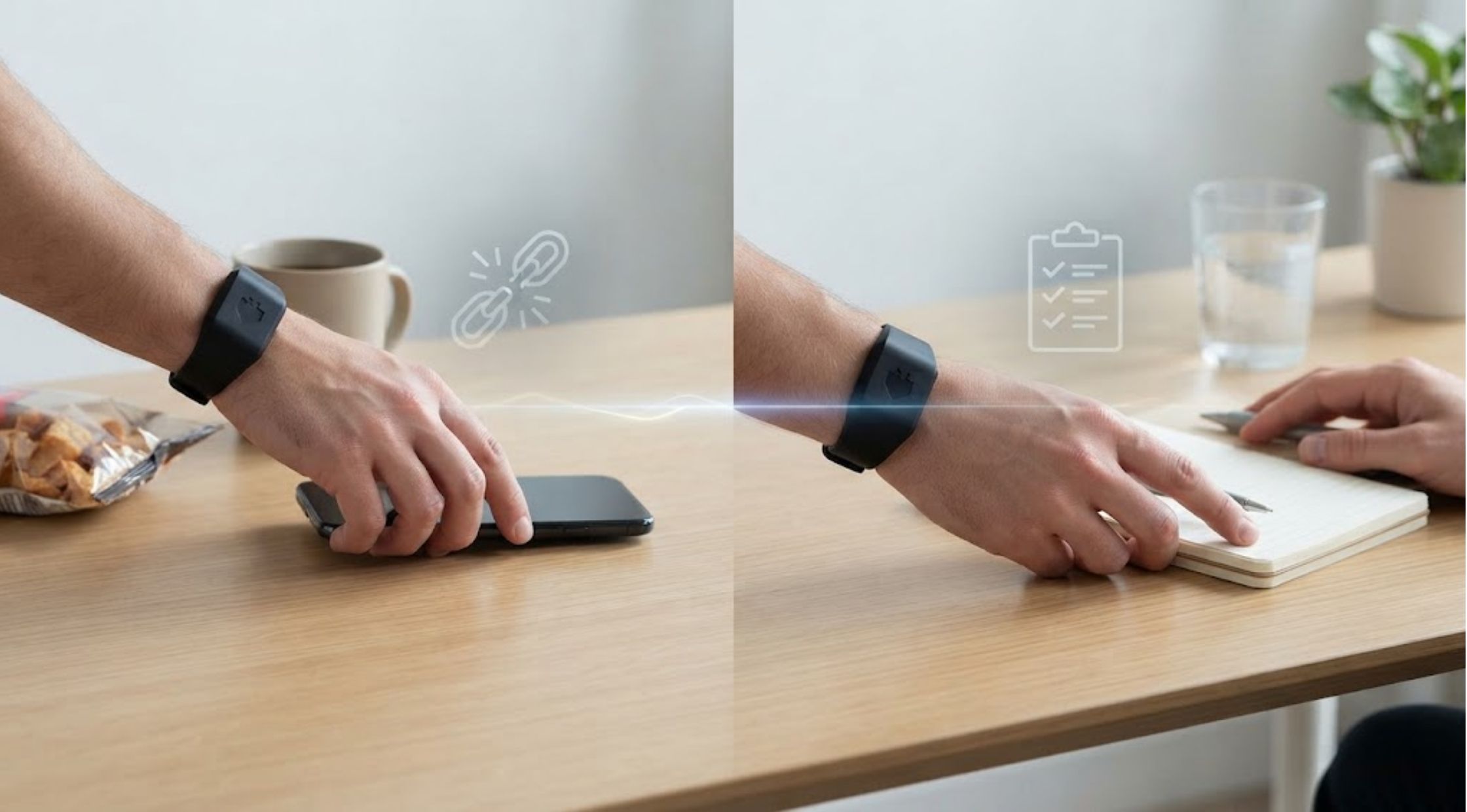
Breaking a bad habit often feels harder than starting one. However, you may recognize the behavior and still repeat it daily. Furthermore, stress, boredom, or fatigue can quickly reduce your motivation. Many people rely on willpower alone to break unwanted habits. However, willpower rarely provides consistent support during difficult moments. Instead, use practical strategies that help you recognize and change unwanted behaviors. Pavlok can support these efforts with tools designed to help reinforce better habits.
Why Bad Habits Become Difficult to Break
Habits Often Run on Automatic Behavior
Most habits follow a simple pattern: a trigger, behavior, and reward. For example, stress can trigger unnecessary phone use. Then, the activity provides temporary entertainment or emotional relief. Over time, your brain connects the trigger with the familiar response. Consequently, you may repeat the behavior without consciously planning it.
Motivation Can Change Throughout the Day
Motivation rarely stays consistent throughout the day. You might feel determined early in the morning. However, fatigue can weaken your decisions later. Therefore, successful habit change requires more than motivation. You also need reminders, structure, awareness, and consistent reinforcement.
Small Triggers Can Create Repeated Problems
Notifications, stressful situations, certain environments, and routines can trigger unwanted behaviors. Therefore, identify these triggers to interrupt the unwanted pattern. First, write down when your unwanted habit usually occurs. Then, record what happened immediately before the behavior. Additionally, track the situation, environment, and routine surrounding each occurrence. This simple process can reveal useful patterns and recurring triggers.
Practical Ways to Break Unwanted Habits
Identify Your Main Habit Triggers
First, choose one habit instead of changing everything at once. Then, identify situations that encourage that specific behavior. For instance, boredom might encourage excessive scrolling. Meanwhile, workplace stress might encourage repeated snacking. Once you identify triggers, create a specific response for each situation. Therefore, you can prepare a clear action before temptation appears. This approach helps you manage triggers and maintain better habits.
Replace the Behavior With Something Better
Simply removing a habit can create an uncomfortable gap. Instead, replace unwanted behavior with a healthier alternative. For example, take a short walk instead of scrolling during breaks. Likewise, drink water instead of reaching for unnecessary snacks. Also, read several pages instead of watching another video. A replacement gives your brain another behavior to follow. Therefore, routine changes become more manageable.
Track Your Progress Consistently
Habit change becomes easier when you can track your progress. Therefore, use a notebook, calendar, or habit-tracking application. Record successful days and note situations that caused setbacks. Importantly, treat setbacks as useful information instead of complete failures. Then, adjust your strategy based on what you learn. Finally, continue moving forward and maintain your progress.
Create Immediate Awareness
Delayed consequences often fail to influence automatic behavior. Therefore, immediate feedback helps you notice your actions sooner. This approach strengthens the connection between behavior and consequences. Additionally, it helps you pause before repeating unwanted actions.
How a Pavlok Wearable Can Support Habit Change
Some people need extra support beyond traditional habit tracking. Therefore, a Pavlok Wearable can provide immediate feedback during habit-change efforts. Instead of relying only on motivation, users can add external cues to their routines. This approach can increase awareness when specific unwanted behaviors occur. Moreover, the Pavlok Habit Breaking Device can support a broader behavior-change strategy. However, users should combine it with practical techniques instead of replacing them. First, identify one specific behavior you want to change. Then, combine wearable feedback with trigger awareness and healthier replacements. Ultimately, this combination creates a structured approach to changing repetitive behaviors.
Benefits of Using Additional Habit-Breaking Support
Build Greater Behavioral Awareness
External feedback can reveal automatic behaviors you may overlook. Once you notice these behaviors, you can choose a different response. Moreover, awareness plays an important role in achieving long-term behavior change.
Create More Consistent Routines
Consistency matters because habits develop through repeated actions. Therefore, use a structured system to maintain your chosen strategy. Over time, consistent practice can make healthier responses feel more natural.
Reduce Dependence on Willpower
You cannot expect motivation to stay strong every day. Instead, build systems that support your goals when motivation declines. Additionally, a wearable tool can support that system. It can help you stay consistent when motivation decreases.
Personalize Your Approach
Everyone develops habits differently. Therefore, tailor your strategy to your triggers, routines, and goals. Use tracking, environmental changes, replacement behaviors, and feedback together. Then, identify the combination that works best for your circumstances.
Make Habit Change More Practical With Pavlok
Changing habits does not require dramatic lifestyle changes. Instead, focus on one behavior and build a repeatable system around it. Additionally, Pavlok can provide structured support for breaking unwanted habits. Pair it with trigger identification, replacement behaviors, progress tracking, and consistent routines. Most importantly, understand what causes your behavior before attempting to change it. This knowledge helps you choose strategies that address the actual problem.
Build Better Habits With a Smarter Strategy
Bad habits often survive because familiar triggers make them automatic responses. Therefore, successful change starts with awareness and intentional action. First, identify your triggers and replace unwanted behaviors with healthier alternatives. Then, track your progress consistently to maintain accountability. Additionally, consider extra tools when traditional strategies need stronger support. A Pavlok Wearable can complement these methods with another layer of behavioral feedback. Use it within a broader, personalized habit-change plan. Ultimately, better habits require consistent decisions rather than overnight transformation. Choose practical strategies that match your lifestyle and goals. Finally, approach habit change systematically to make lasting improvement easier.
Recent Blogs
-

How to Choose Indoor Golf Equipment for a Better Home Golf Experience
-

How to Choose Comfortable Everyday Wear Without Sacrificing Style
-

How to Improve Daily Focus, Energy, and Mental Performance Naturally
-

How to Choose Pickleball Paddles and Equipment Without Overspending
-
How to Break Bad Habits and Build Better Daily Routines