How to Choose the Right Golf Launch Monitor for Your Home Golf Simulator

Building a golf simulator at home sounds exciting until you start comparing launch monitors and realize just how many options are available.
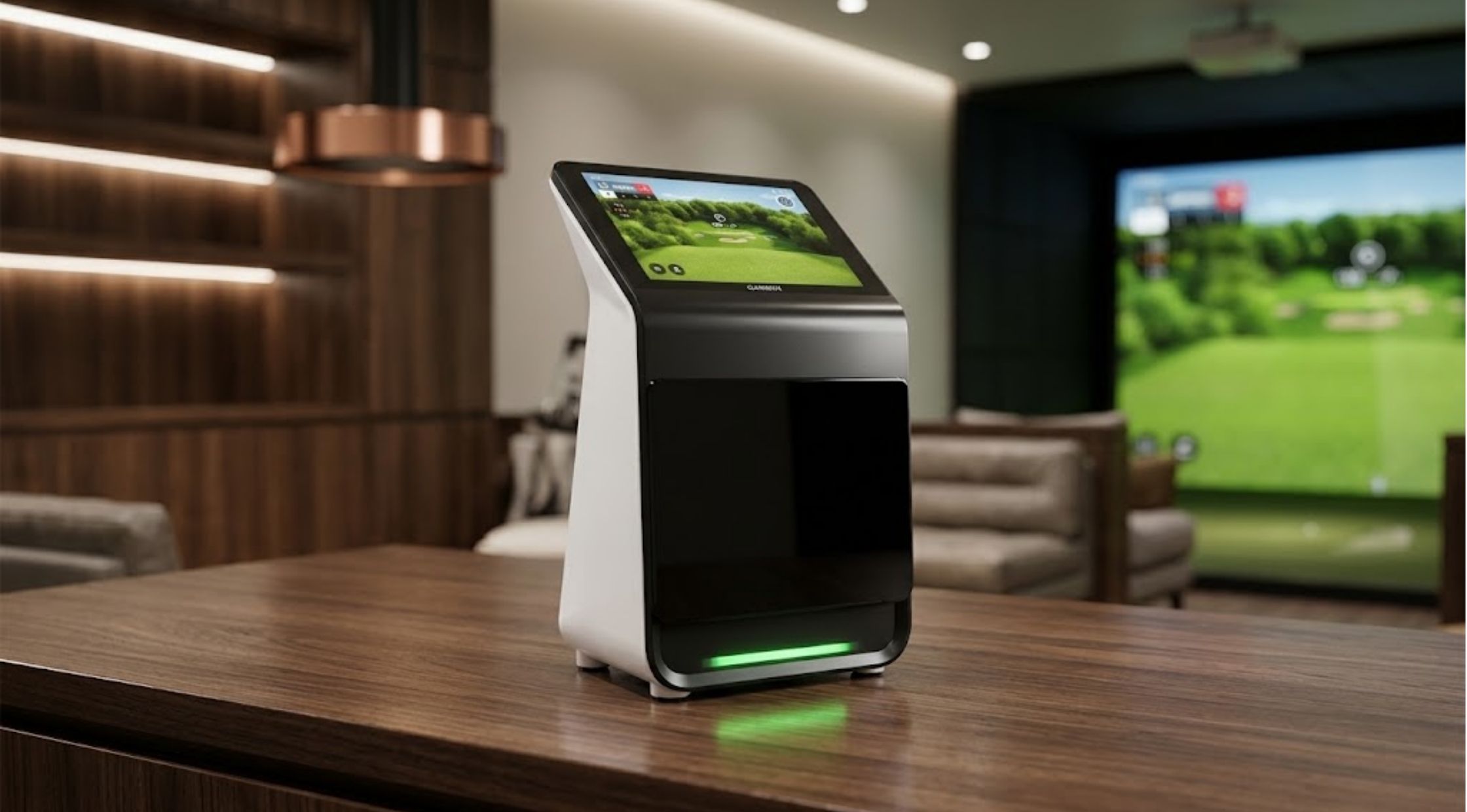
Building a golf simulator at home sounds exciting until you start comparing launch monitors and realize just how many options are available. Radar-based systems, camera-based units, portable monitors, overhead models, different software platforms, and wildly different price points can make the buying process surprisingly complicated.
The wrong choice can leave you with equipment that does not suit your room, provides more data than you actually need, or creates compatibility headaches.
The good news? Choosing a Golf Launch Monitor becomes much easier when you start with your space and goals rather than the brand name or price tag.
Why Your Launch Monitor Matters
A launch monitor is essentially the measurement engine behind a simulator. It captures information about your shot and translates it into useful feedback, helping you understand what happened after you hit the ball.
Depending on the system, this can include measurements such as ball speed, launch angle, spin, carry distance, club speed, face angle, and club path.
That information becomes particularly valuable in a Home Golf Simulator, where the objective is not simply to hit balls into a screen. You may want to practice specific parts of your game, analyze your swing, play virtual courses, or make every practice session more productive.
Indoor Golf Outlet's current launch-monitor selection includes portable, overhead, camera-based, radar-based, and hybrid systems from manufacturers such as TrackMan, Foresight, Garmin, Rapsodo, Uneekor, FlightScope, SkyTrak, and others.
Common Problems Golfers Face When Choosing a Launch Monitor
Buying for the Budget Instead of the Room
It is tempting to start by deciding how much you want to spend and then finding the most advanced system within that range.
But your room should influence the decision just as much.
Ceiling height, available depth, hitting position, lighting, and whether you are building a permanent or temporary setup can all affect which monitor makes sense.
A portable monitor may be practical for a garage or multipurpose room, while an overhead system can be more convenient for a dedicated simulator space.
Choosing More Data Than You Need
More metrics are not automatically better.
If your primary goal is casual practice and occasional virtual golf, you may not need an extremely sophisticated system designed for detailed club analysis.
On the other hand, serious golfers who want detailed feedback may benefit from a more advanced Golf Launch Monitor capable of measuring additional club and ball characteristics.
The ideal system is the one whose data you will actually use.
Forgetting About Software Compatibility
Another common mistake is focusing entirely on hardware.
Your launch monitor needs to work with the simulator software and other equipment you plan to use. Some systems are designed around particular software ecosystems, while others offer broader compatibility.
Before buying, check which simulation platforms are supported and whether subscriptions or additional software costs apply.
How to Choose the Right Golf Launch Monitor
1. Start With Your Available Space
Measure the room before shopping.
Consider:
- Ceiling height
- Room width
- Distance from ball to screen
- Distance behind the golfer
- Hitting position
- Left- and right-handed use
- Projector placement
- Available floor space
For a permanent Home Golf Simulator, an overhead launch monitor can be especially attractive because it stays above the hitting area and does not occupy floor space.
Indoor Golf Outlet notes that overhead systems such as the Uneekor EYE XO2, ProTee VX, and Trackman iO can be well suited to fixed simulator installations, while portable options can be useful when flexibility is more important.
2. Decide Between Portable and Permanent
Portable units are useful if you want to move your monitor between indoor and outdoor practice areas or do not have a dedicated simulator room.
Permanent systems make more sense when your simulator is part of a dedicated space.
For example, SkyTrak's current systems include portable options designed for indoor and outdoor flexibility, while overhead systems are aimed more toward permanent installations.
3. Think About the Data You Actually Want
Ask yourself what you are trying to improve.
If you mainly care about distance and basic ball flight, a simpler system may be enough. If you want detailed club data and more comprehensive swing analysis, consider a higher-end monitor.
This approach prevents you from paying for features you will rarely use while ensuring you do not outgrow your equipment too quickly.
4. Consider the Rest of the Simulator
Your launch monitor is only one part of the setup.
A complete Home Golf Simulator may also require an enclosure or impact screen, projector, hitting mat, computer, software, and appropriate room protection.
That is why buying individual components without considering how they work together can become frustrating.
Indoor Golf Outlet currently offers complete packages that combine launch monitors with items such as projectors, simulator computers, enclosures, and impact screens.
When a Complete Package Makes More Sense
If you are new to simulator building, a complete package can simplify the process considerably.
Instead of researching every component separately, you can select a system designed around compatible equipment.
For example, current packages available through Indoor Golf Outlet combine launch monitors with projectors and simulator computers, while other packages include enclosures and impact screens as well.
This does not mean every golfer needs a preconfigured package. Experienced DIY builders may prefer selecting every component individually. But for buyers who value convenience and compatibility, a package can remove much of the guesswork.
The Benefits of Investing in the Right Setup
A well-planned simulator can change the way you practice.
More productive practice: Instead of guessing why a shot went wrong, you can use measurable feedback to identify patterns.
Year-round access: A home setup gives you an option when weather, daylight, or a busy schedule makes the course inconvenient.
Better use of time: Even a short practice session can become more focused when you know exactly what you are working on.
Entertainment: A simulator can also become a recreational space for playing virtual rounds with friends and family.
Room to grow: Choosing equipment that matches your long-term goals can prevent an expensive replacement later.
The right Golf Launch Monitor therefore should not simply be the most expensive or most technically advanced model. It should be the one that fits your space, supports your preferred software, provides useful information, and works with the way you intend to practice.
Final Thoughts
Choosing equipment for a Home Golf Simulator can feel overwhelming, but the decision becomes much clearer when you work backward from your needs.
Measure your room first. Decide whether you need portability or a permanent installation. Identify the data you actually want. Then consider software compatibility and the other components required to complete the setup.
Indoor Golf Outlet provides a broad range of launch monitors and simulator equipment, along with options for complete packages and expert guidance.
You do not need to build the most expensive simulator in the neighborhood. You just need a setup that fits your space, your golf goals, and how you want to practice. With the right Golf Launch Monitor at the center, your home setup can become more than a place to hit balls it can become a smarter way to enjoy and improve your game.
Recent Blogs
-
How to Choose the Right Golf Launch Monitor for Your Home Golf Simulator
-

How to Choose Oversized Hoodies and Comfortable Loungewear for Everyday Wear
-

How to Choose Nootropic Supplements for Better Focus and Mental Performance
-

How to Choose the Best Paint by Numbers Kit for a Relaxing Creative Hobby
-
How to Build Old Money Style for Men and Women Without Overcomplicating Your Wardrobe