How to Build Old Money Fashion That Looks Timeless, Not Trendy

That is one of the biggest challenges with Old Money Fashion.
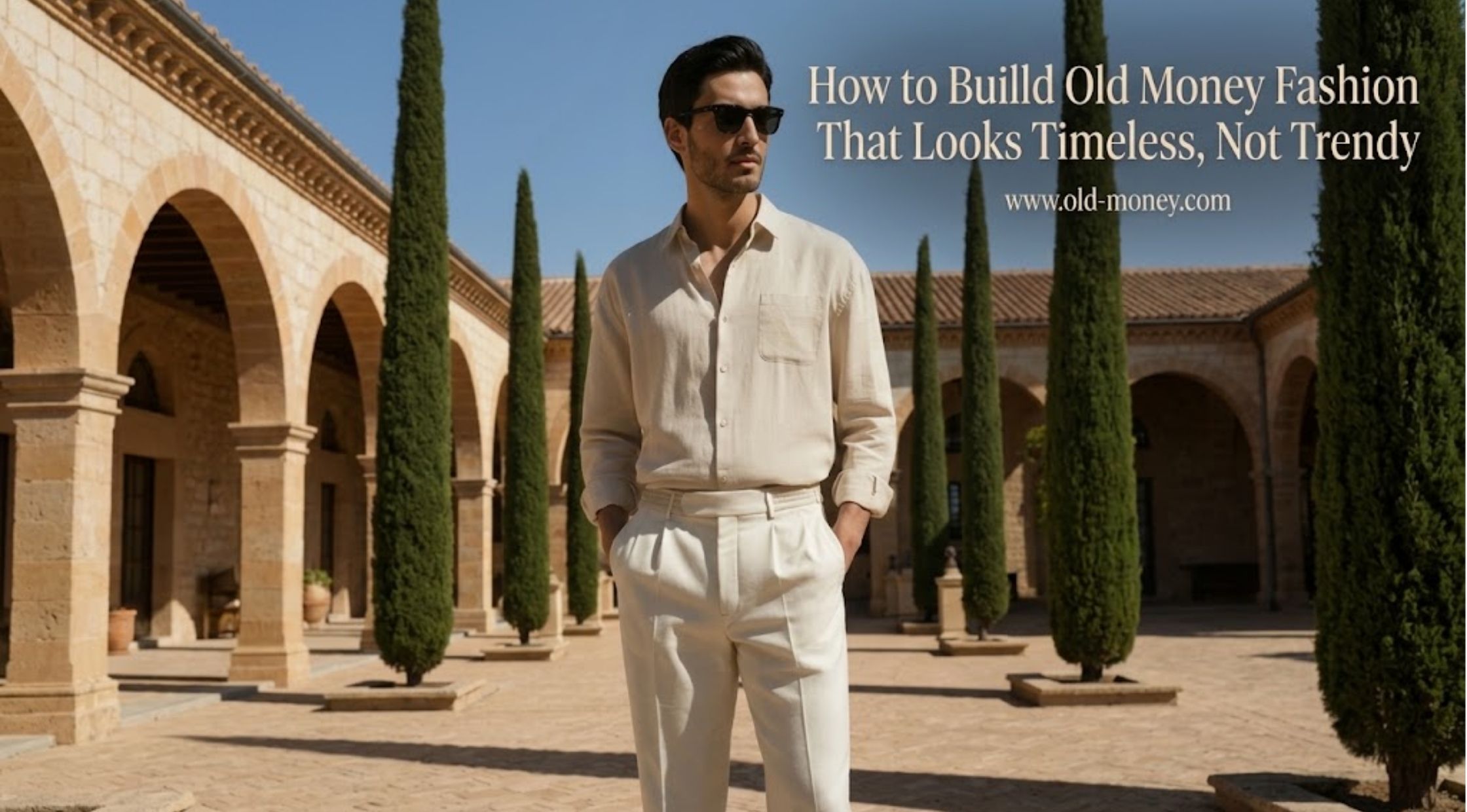
Ever put together an outfit that looked perfectly fine on its own, but somehow felt too trendy, too busy, or simply not as polished as you wanted?
That is one of the biggest challenges with Old Money Fashion. The aesthetic looks effortless, but creating that effortless appearance actually requires thoughtful choices. Buying expensive clothes alone will not automatically give you a refined wardrobe. Fit, fabric, color, proportions, and versatility all matter.
The good news? You do not need a wardrobe packed with designer labels to achieve the look. You need fewer, better-chosen pieces that work together.
What Makes Old Money Outfits Difficult to Get Right?
The old-money aesthetic is often associated with understated luxury, classic silhouettes, and quiet confidence. But social media has turned the style into a trend, which can make it surprisingly easy to overdo.
Problem 1: Buying too many “aesthetic” pieces
It is tempting to buy anything marketed as old money. But a wardrobe filled with themed pieces can quickly look like a costume rather than personal style.
Problem 2: Ignoring fit
Even a beautiful linen shirt or quality pair of trousers can look ordinary if the shoulders, sleeves, waist, or trouser length are wrong.
Problem 3: Confusing luxury with logos
A large designer logo may communicate that something is expensive, but Old Money Fashion generally works better when the quality is visible through the material, construction, and fit rather than branding.
Problem 4: Choosing clothes that only work for one outfit
If every item needs a specific combination to look good, getting dressed becomes complicated. A refined wardrobe should make outfit building easier, not harder.
Why Simplicity Works
The appeal of classic fashion comes from its longevity. Neutral colors, clean silhouettes, natural-looking textures, and traditional wardrobe staples tend to remain wearable across seasons.
Think of pieces such as:
- Crisp button-down shirts
- Well-fitted polos
- Linen shirts and trousers
- Neutral knitwear
- Tailored trousers
- Suede or leather loafers
- Simple watches
- Structured outerwear
- Minimal accessories
None of these items needs to be dramatic. Their strength comes from how easily they complement one another.
This is also why successful Old Money Outfits often look deceptively simple. The individual pieces are not necessarily attention-grabbing; the overall combination feels balanced.
How to Build Better Old Money Outfits
Start with a neutral foundation
Cream, beige, white, navy, grey, brown, olive, and black are easy starting points.
You do not need every color in your wardrobe. Choose a small palette where most pieces can be mixed together.
For example, a cream linen shirt can work with tailored beige trousers, dark trousers, jeans, or shorts. That makes one purchase much more valuable than a highly distinctive item that only works once.
Prioritize fabric
Fabric can dramatically change how an outfit looks and feels.
Linen is particularly useful for warm-weather dressing because its natural texture gives an outfit visual interest without requiring bold patterns. Cotton shirts, knitwear, suede footwear, and quality wool pieces can similarly add depth to a simple wardrobe.
When shopping, look beyond the product photograph. Check the material composition, construction details, care instructions, and how the garment is intended to fit.
Pay attention to proportions
An oversized shirt with very wide trousers can create a completely different impression from a relaxed shirt paired with more structured trousers.
You do not have to wear everything slim. The key is balance.
If one piece is intentionally relaxed, consider keeping another part of the outfit more structured. Small adjustments in sleeve length, trouser break, shirt length, or layering can make a surprisingly large difference.
Choose Versatility Over Novelty
One of the smartest ways to create Old Money Outfits is to think in combinations rather than individual purchases.
Before buying something, ask:
Can I create at least three outfits with this piece?
If the answer is yes, it has a better chance of earning a permanent place in your wardrobe.
A neutral polo, for instance, can work with trousers for a polished look, shorts for summer, or layered under a jacket. A classic pair of loafers can similarly move between casual and more formal outfits.
This approach reduces unnecessary shopping while giving you more options.
A Premium Wardrobe Without the Overcomplication
Once you understand the fundamentals, shopping becomes much easier. Instead of chasing every new interpretation of the aesthetic, you can look for brands that focus on classic silhouettes, understated design, and wardrobe staples.
Old Money's current collections include pieces such as linen clothing, polos, shirts, trousers, loafers, suede items, and coordinated looks, which makes the brand relevant for shoppers who want to build a cohesive wardrobe around this style.
The advantage of choosing a more focused collection is convenience. You can shop with a particular aesthetic in mind while still selecting individual pieces based on your own wardrobe rather than trying to recreate someone else's outfit exactly.
The Benefits of Investing in Better Pieces
A more considered wardrobe can offer benefits beyond appearance.
Easier mornings
When most of your clothes coordinate, you spend less time deciding what to wear.
More outfit combinations
Versatile basics can create significantly more combinations than a collection of highly specific statement pieces.
Better cost-per-wear
A quality item that you wear regularly can offer more value than several inexpensive pieces that quickly lose their appeal.
A more personal style
The best Old Money Fashion does not look like a uniform. It should still reflect your personality, lifestyle, and comfort preferences.
Make the Aesthetic Work for You
The biggest mistake is treating old-money style as a strict checklist.
You do not need to wear loafers every day, dress exclusively in beige, or fill your wardrobe with luxury labels. Instead, take the principles that make the aesthetic appealing: simplicity, quality, restraint, good fit, and versatility.
Old Money can be a useful starting point for shoppers who want classic pieces without relying on loud trends. Whether you choose linen for summer, knitwear for cooler weather, or polished footwear for smarter occasions, focus on buying pieces that genuinely fit your lifestyle.
Ultimately, the best Old Money Outfits are the ones that feel natural rather than forced. Build slowly, choose thoughtfully, and let quality and fit do most of the talking. A refined wardrobe is not about owning more it is about making better choices with what you own.
Recent Blogs
-
How to Choose Modest Dresses That Are Stylish, Comfortable, and Easy to Wear
-
How to Choose the Best Carry On Luggage for Easier Travel
-
How to Choose the Best Paint by Numbers for Adults Without Getting Overwhelmed
-
How to Build Old Money Fashion That Looks Timeless, Not Trendy
-

How to Choose the Best Vitamins for Black Women for Your Daily Wellness Routine