How to Choose Better Lighting for a More Comfortable and Functional Space

Poor lighting can make even a beautiful room feel uncomfortable and unfinished.
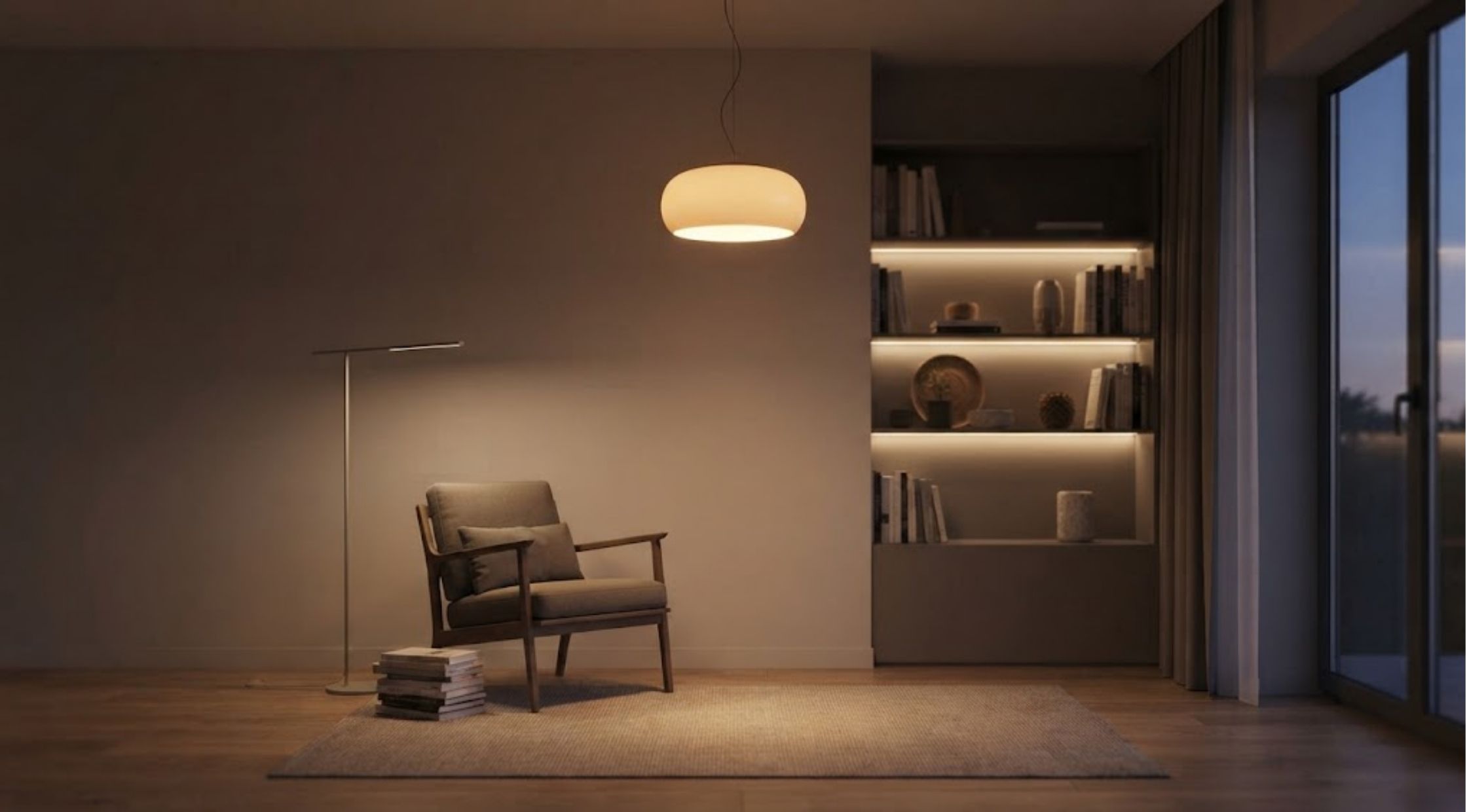
Poor lighting can make even a beautiful room feel uncomfortable and unfinished. Moreover, dim corners can affect everyday activities and reduce overall comfort. Harsh brightness can also create discomfort and make spaces feel unbalanced. Additionally, uneven illumination can leave some areas poorly lit. Therefore, the wrong lighting can make spaces feel smaller and less inviting. Illumiflow offers lighting solutions that can help create a more balanced and comfortable space. So, choose the right lighting instead of simply adding brighter bulbs.
Identify Common Lighting Problems
Many homeowners struggle with inconsistent lighting throughout their homes. For example, some rooms receive excessive brightness, while others remain noticeably dark. Meanwhile, poorly positioned fixtures create distracting shadows and uncomfortable glare. Additionally, different activities require different lighting levels. For instance, reading requires focused illumination, while relaxing needs softer ambient lighting. Furthermore, kitchens and workspaces need clearer illumination for detailed tasks. Another common problem involves outdated fixtures and inefficient lighting arrangements. Old fixtures often provide limited coverage or create unnecessary visual clutter. Consequently, homeowners often add more lights without solving the underlying problem.
Understand What Causes Poor Illumination
Room size plays an important role in effective lighting performance. Moreover, larger rooms require broader illumination across multiple areas. Similarly, high ceilings can affect how effectively light reaches different surfaces. Wall colors also influence how rooms distribute available light. Generally, light-colored surfaces reflect more illumination than darker surfaces. Additionally, furniture placement can block or redirect light throughout the room. Using only one lighting type can also limit your room’s flexibility. Instead, combine ambient, task, and accent lighting for different purposes. These lighting layers can create better balance and improve overall functionality.
Use Practical Ways to Improve Your Lighting
Start by identifying how you use each room daily. Then, determine which areas need general, focused, or decorative illumination.
Layer Different Lighting Types
Use ambient lighting to establish the room's overall brightness. Next, add task lighting where activities require focused visibility. Finally, use accent lighting to highlight architectural or decorative features. This layered approach helps you control brightness for different needs. It also prevents one fixture from handling every lighting requirement.
Consider Light Placement Carefully
Position fixtures according to your furniture layout and frequently used areas. For example, place task lights near desks, counters, reading chairs, or workstations. Additionally, avoid placing bright fixtures directly within your normal line of sight. Also, consider how light interacts with your walls and ceilings. Therefore, use strategic placement to distribute illumination evenly throughout the room.
Choose Suitable Light Characteristics
Consider brightness, color temperature, coverage, and application before purchasing lighting. Moreover, choose warm light for comfortable relaxation and social spaces. Meanwhile, use cooler illumination for focused activities and functional areas. Also, consider energy efficiency when replacing frequently used lighting fixtures. Efficient options can reduce unnecessary energy consumption over time.
Explore a More Flexible Lighting Approach
When basic fixtures cannot solve persistent lighting problems, consider specialized solutions. Moreover, modern lighting systems can provide more controlled and consistent illumination. They can also help homeowners address specific spaces without adding unnecessary fixtures. For example, Illumiflow offers options for upgrading different lighting setups. Additionally, Illumiflow Products helps shoppers explore options for various practical requirements. Instead of choosing fixtures randomly, compare options based on your room's specific needs. However, always evaluate product specifications before selecting any lighting solution. Check the intended application, brightness, installation requirements, and overall compatibility. Ultimately, this approach helps you choose a solution that supports your actual space.
Understand the Benefits of Better Lighting
Well-planned illumination can make daily activities easier and more comfortable. Moreover, it can improve how effectively you use different areas of your home. For example, better task lighting can support reading, cooking, studying, and working. Meanwhile, balanced ambient lighting can create a more comfortable atmosphere. Additionally, accent lighting can highlight artwork, shelving, textures, and architectural details. Furthermore, Illumiflow LED Lighting can offer modern lighting alternatives. LED technology can provide practical benefits for frequently used spaces. However, shoppers should compare performance details before making their final purchase.
Create More Consistent Illumination
A thoughtful lighting arrangement can reduce dark spots and excessive brightness. Moreover, it can create smoother transitions between different room areas. Furthermore, consistent illumination can make spaces feel more organized. You can achieve this result by combining suitable fixtures with strategic placement.
Improve Everyday Convenience
Better lighting can simplify everyday routines without requiring major room changes. Moreover, you can target specific problem areas instead of replacing every fixture. This targeted approach makes upgrades more practical and manageable. Additionally, it lets you prioritize rooms that need the most improvement.
Choose Lighting According to Your Actual Needs
Every space has unique requirements, so avoid copying another room’s setup. Instead, evaluate the room’s purpose, size, layout, and available natural light. For workspaces, prioritize clear illumination that supports focused tasks. Meanwhile, choose comfortable bedroom lighting that supports relaxation and restful activities. For kitchens, prioritize strong visibility across counters and food preparation areas. For living rooms, combine general illumination with softer accent lighting. This combination supports conversations, entertainment, reading, and relaxation. Additionally, Illumiflow Lighting Solutions helps shoppers explore different modern illumination approaches. However, choose the right solution based on your specific needs and room characteristics.
Make a More Informed Lighting Upgrade
Good lighting requires more than choosing the brightest available option. Instead, balance brightness, placement, purpose, comfort, and efficiency. First, identify your current lighting problems and their likely causes. Then, apply practical improvements before considering larger upgrades. Also, compare products carefully before making your final choice. Prioritize features that genuinely support your daily lighting needs. By following this approach, you can create more functional and comfortable spaces. Additionally, explore suitable Illumiflow Products for a more considered lighting solution. With proper planning, better lighting can improve your space without unnecessary changes.
Recent Blogs
-
How to Choose the Right Golf Launch Monitor for Your Home Golf Simulator
-

How to Choose Oversized Hoodies and Comfortable Loungewear for Everyday Wear
-

How to Choose Nootropic Supplements for Better Focus and Mental Performance
-

How to Choose the Best Paint by Numbers Kit for a Relaxing Creative Hobby
-

How to Build Old Money Style for Men and Women Without Overcomplicating Your Wardrobe